
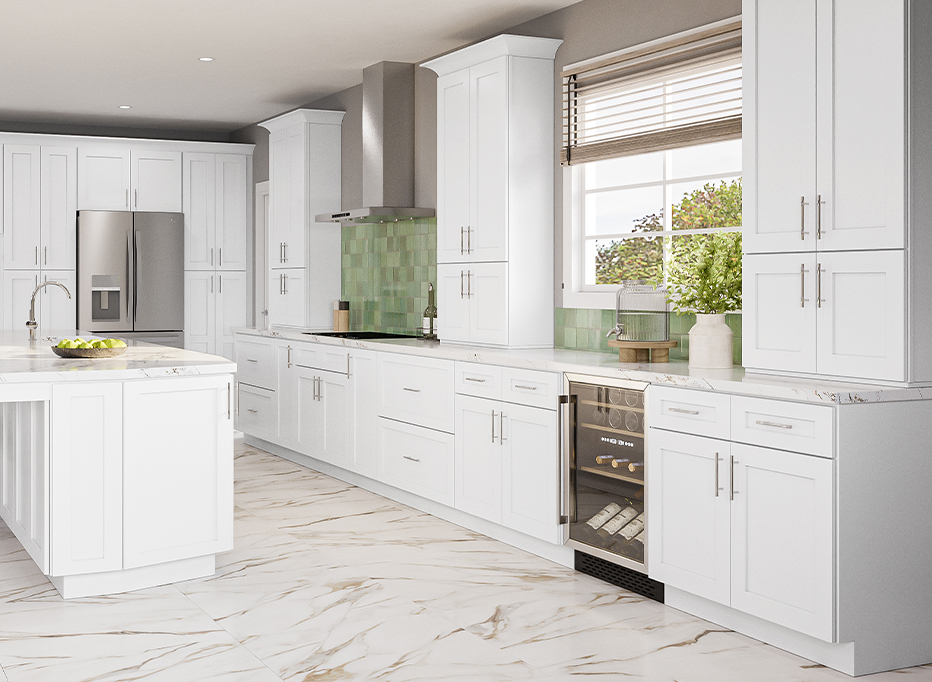
The kitchen is the absolute engine of the home, hosting a chaotic daily symphony of meal preparation, cooking, cleaning, and socializing. Yet, even the most beautifully designed kitchen can quickly become a source of daily frustration if its cabinets are a disorganized jumble of plastic containers, mismatched lids, buried spices, and overlapping pans. A lack of structural organization leads to wasted time during cooking, unnecessary duplicate grocery purchases, and elevated stress levels during dinner preparation.
Maximizing your kitchen cabinet efficiency is not merely about making the space look visually tidy; it is about creating a logical, systematic workflow that harmonizes with your unique cooking habits. By treating your kitchen real estate strategically and analyzing the physical relationship between your appliances and storage spaces, you can transform your kitchen into an effortless, highly efficient environment. This comprehensive guide outlines the exact tactical methods required to organize your kitchen cabinets for peak daily functionality.
The Golden Rule of Proximity and Activity Zones
To build a truly efficient kitchen, you must abandon the habit of storing items wherever they happen to fit. Instead, organize your storage layout around specific activity zones, ensuring that the tools required for a particular task are always housed within arm’s reach of where that task takes place.
The Prep Zone
The prep zone centers around your main expanse of countertop space, ideally located between the sink and the refrigerator. The cabinets in this immediate area should hold your daily food preparation tools. Dedicate these upper cabinets to mixing bowls, measuring cups, and food storage containers. The lower cabinets or drawers directly beneath your prep counter should house cutting boards, colanders, food processors, and prep knives.
The Cooking and Baking Zone
This zone encompasses the immediate perimeter surrounding your stovetop, range, and oven. The storage spaces directly above, below, and beside your cooking appliances are premium real estate. They must be reserved strictly for pots, pans, baking sheets, cooking oils, and frequently used seasonings. Storing your heavy skillets directly beneath the stovetop eliminates the need to cross the room while balancing a hot or heavy pan, instantly streamlining your cooking flow.
The Cleaning and Dish Zone
Centering around the sink and the dishwasher, this zone dictates the flow of cleanup and daily table setting. The upper cabinets closest to the dishwasher should store your everyday dinnerware, including plates, bowls, and drinking glasses. This layout turns the chore of unloading the dishwasher into a rapid, one-handed operation. The cabinet directly under the sink should be organized strictly with cleaning supplies, dish soaps, and trash liners.
Step-by-Step Execution: Decluttering and Mapping
Achieving maximum efficiency requires a clean slate. You cannot properly organize a cabinet system that is weighed down by items you no longer use, want, or need.
Empty Every Single Cabinet
Work systemically, tackling one zone at a time so your kitchen remains functional during the process. Empty the cabinets completely, placing all items onto a clear dining table or kitchen island. This temporary chaos is essential because it forces you to confront the true volume of your belongings. Take this opportunity to wipe down the interior shelves with a mild cleaner to remove any accumulated dust, oil residue, or spice spills.
Ruthlessly Purge Your Inventory
Evaluate every item through a lens of absolute utility. Group identical items together to expose unnecessary duplication. If you possess three identical colanders or four opened boxes of baking soda, select the best option and donate or discard the rest. Be honest about specialty appliances you have not used in the past year, such as that ice cream maker or specialized sandwich press. If an item is chipped, permanently stained, or missing its matching lid, discard it immediately.
Categorize and Assign Real Estate
Once you are left with only the essential inventory, sort the items into distinct, logical categories: everyday dishes, seasonal baking items, small appliances, and food staples. Assign each category a permanent home based on frequency of use.
-
First-Tier Accessibility: Items you use every single day, such as coffee mugs, cereal bowls, and dinner plates, must reside on the lowest, easiest-to-reach shelves of your upper cabinets or the top drawers of base cabinets.
-
Second-Tier Accessibility: Items utilized a few times a week, such as baking dishes, blenders, or specialty serving platters, belong on the middle shelves of upper cabinets.
-
Third-Tier Accessibility: Items used only occasionally or seasonally, such as holiday turkey platters, Christmas cookie cutters, or large stockpots, should be relegated to the highest shelves near the ceiling or the very back corners of deep base cabinets.
Utilizing Smart Storage Organizers to Defeat Dead Space
Standard kitchen cabinets are often designed as wide, deep caverns with vast amounts of vertical empty space. Without internal organization systems, items inevitably get stacked precariously on top of one another, making it impossible to retrieve a lower item without causing a minor avalanche.
Deep lower cabinets are notorious for becoming dark graveyards where heavy pots and small appliances vanish from view. Bending down and reaching into the dark depths of a base cabinet is physically frustrating. Retrofitting your lower cabinets with wooden pull-out slider drawers transforms the space completely. With a gentle pull, the entire contents of the cabinet roll out into plain sight under the ambient kitchen light, giving you effortless access to items stored at the very back.
Incorporate Vertical Dividers
Baking sheets, muffin tins, cutting boards, and large frying pan lids are incredibly difficult to store in horizontal stacks. They slide around, scrape against each other, and create an irritating racket when you search through them. Install vertical slot dividers or heavy-duty wire racks inside a lower cabinet or the narrow space above your refrigerator. Storing these flat items vertically, much like books on a library shelf, allows you to slide out a single sheet or cutting board instantly without disturbing the surrounding items.
Maximize Doors with Over-the-Cabinet Racks
Do not overlook the valuable organizational potential of the inside of your cabinet doors. The interior face of a cabinet door is the perfect canvas for lightweight storage solutions. Mount slender wire racks or adhesive organizers onto the wood frames to hold boxes of aluminum foil, plastic wrap, or cutting boards. In the cleaning zone, use door hooks to hang microfiber cloths, dish brushes, and rubber gloves, keeping them tucked away yet instantly accessible.
Mastering the Pantry and Food Cabinets
Food packaging comes in a wild array of shapes and sizes, which naturally creates visual clutter and structural inefficiency when jammed onto pantry shelves.
To bring order to your dry goods cabinet, invest in a set of matching, airtight clear glass or plastic canisters. Decant flour, sugar, pasta, cereal, and grains into these uniform containers. Not only does this maximize shelf space by eliminating bulky cardboard boxes, but it also creates an airtight seal that keeps food fresh significantly longer and allows you to see exactly when your inventory is running low at a single glance.
For canned goods and small condiment jars, introduce a tiered spice staircase or a lazy Susan turntable. A turntable allows you to rotate through your jars effortlessly, preventing hidden cans of beans or jars of sauce from expiring silently in the dark corners of your pantry shelves.
Frequently Asked Questions
What is the most effective way to organize a deep, awkward corner Lazy Susan cabinet?
Corner cabinets are often vast and circular, making it easy for items to fly off the rotating trays into the unreachable corners behind the mechanism. To maximize efficiency, group items inside wedge-shaped plastic bins designed specifically for Lazy Susan shelves. Use one bin strictly for baking supplies, another for oils, and a third for canned soups. The bins act as structural walls, preventing jars from tipping over and making it easy to lift an entire category out at once.
How should I store Tupperware and plastic food storage containers so the lids do not disappear?
Never store your food containers with the lids attached, as this consumes double the amount of cabinet volume. Instead, nest identical container bases inside one another by size. For the lids, store them vertically inside a designated plastic bin, peg drawer organizer, or a small dish drying rack placed inside the cabinet. Grouping the lids vertically by size ensures you can grab the matching top instantly without shifting through a mountain of plastic.
Where should heavy cast iron skillets and heavy Dutch ovens be stored for safety?
Heavy cookware should always be stored below countertop height in your base cabinets or deep drawers. Storing heavy items in upper cabinets poses a significant safety hazard, as lifting a twenty-pound pan above your shoulders can cause muscle strain or lead to dropping the heavy iron onto your countertops or feet. Place them on reinforced pull-out trays or heavy drawer slides close to the stove.
My upper cabinets are exceptionally tall, and I cannot reach the top shelves without a ladder. How do I utilize this space?
Use these hard-to-reach top shelves strictly for deep-storage items that you only require once or twice a year, such as holiday baking molds, specialized fondue sets, or large party punch bowls. Alternatively, you can install pull-down cabinet wire baskets that feature a mechanical handle, allowing you to pull the entire shelf downward and outward past the countertop level for easy access without using a footstool.
Should spices be stored in an upper cabinet directly above the cooktop for convenience?
While storing spices directly above the stove seems convenient for cooking, it is actually the worst environmental location for them. The intense heat and steam rising from your boiling pots will rapidly penetrate the cabinet, causing ground spices to lose their potency, fade in color, and clump together due to humidity. Instead, store your spice collection in a designated drawer next to the stove or on a lower shelf away from direct heat sources to preserve their shelf life.
How can I make standard cabinet shelves adjustable if they are permanently fixed in place?
If your wood cabinet shelves are glued or nailed into a fixed position, you can easily bypass this limitation by incorporating free-standing wire shelf risers. These metal or plastic mini-tables sit directly on top of your existing shelf, effectively splitting the vertical space in half. This creates two distinct tiers of storage, allowing you to place small plates on the bottom and mugs on top without needing to modify the physical cabinet structure.