
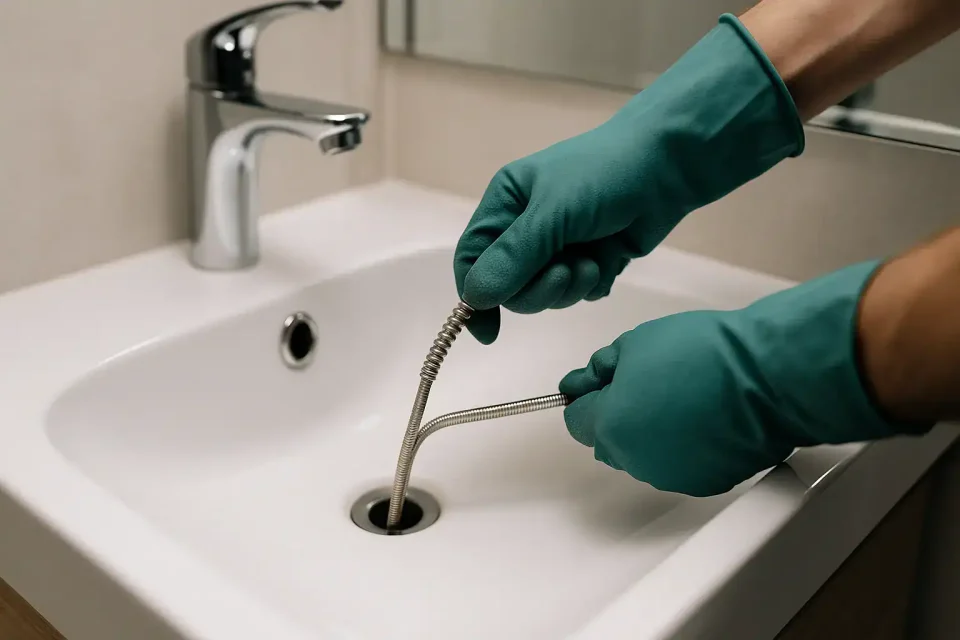
Drain issues almost never happen overnight—they build up gradually, often giving clear warning signs that many homeowners overlook. What starts as a slightly slow drain or a faint smell can quickly escalate into a serious plumbing problem if ignored. In many Sydney homes, these early indicators are dismissed as minor inconveniences, but they are often the first signs of a developing blockage deep within the system. Acting early can make a significant difference, as recognising these symptoms in time may help you avoid costly damage and the need for major sewer blockage repair. Understanding how your drains behave—and noticing when something changes—is key to preventing disruptions, protecting your property, and maintaining a reliable plumbing system.
Early Warning Signs You Shouldn’t Ignore
One of the most common early signs is slow drainage that gradually worsens over time. Water may begin to pool in sinks, showers, or bathtubs, taking longer than usual to clear. This typically indicates that materials such as grease, hair, soap residue, or food waste are starting to accumulate along the inner walls of your pipes. While it might seem manageable at first, this build-up continues to grow, narrowing the passage for water and increasing the likelihood of a full blockage if left untreated.
Another key indicator is the presence of persistent unpleasant odours coming from your drains. These smells are often caused by organic matter trapped within the pipes, breaking down and releasing gases over time. In more serious cases, the odour may resemble sewage, which can point to deeper issues within the drainage system. Alongside smells, unusual sounds such as gurgling or bubbling can also signal trouble. These noises occur when air becomes trapped due to restricted water flow, indicating that your pipes are no longer functioning as they should.
When Small Issues Turn Into Bigger Problems
As a blockage develops further, the signs become more noticeable and disruptive. You may begin to experience water backing up in unexpected places—for example, running a sink might cause water to rise in a nearby shower drain, or flushing the toilet could lead to bubbling in other fixtures. This type of cross-drain interference often indicates a blockage deeper within the system, potentially affecting the main sewer line rather than just a single pipe.
Frequent or recurring minor clogs are another major warning sign that shouldn’t be ignored. If you’re constantly clearing drains only for the problem to return, it usually means the underlying issue hasn’t been resolved. Over time, these repeated blockages can worsen, leading to more severe restrictions and eventually a complete system failure. At this stage, the risk of overflow, water damage, and contamination increases significantly.
Taking early action is essential. Addressing these warning signs before they escalate can help you avoid major disruptions, reduce repair costs, and keep your plumbing system functioning efficiently. Being proactive not only protects your home but also ensures small problems don’t turn into large, avoidable emergencies.
Additional Indicators That Signal a Developing Drain Blockage
Beyond the more obvious symptoms, there are several subtle signs that can indicate a developing blockage within your drainage system. Homeowners who pay attention to these early changes are often able to address issues before they escalate into significant plumbing emergencies. One such indicator is fluctuating water levels in toilets. If the water level rises or falls unexpectedly after flushing, it may suggest a restriction within the drainage or sewer line that is affecting the normal flow of wastewater.
Another warning sign is the presence of fruit flies or other small insects around sinks and drains. These pests are attracted to the organic matter that accumulates within pipes, and their sudden appearance can indicate that debris is beginning to build up. Similarly, patches of unusually lush or damp grass in outdoor areas may signal a hidden leak or blockage in underground sewer lines. These environmental clues are often overlooked but can provide valuable insight into the condition of the plumbing system.
Homeowners may also notice that routine cleaning efforts become less effective over time. If plunging or using mild drain cleaners provides only temporary relief, it is likely that the blockage is forming deeper within the system. Recognising these subtle indicators allows for timely intervention, reducing the likelihood of more severe complications.
Common Causes Behind Gradual Drain Blockages
Understanding the underlying causes of drain blockages is essential for effective prevention. In most residential properties, blockages are the result of cumulative build-up rather than a single event. Kitchen drains are particularly susceptible to grease, oil, and food particles, which can adhere to pipe walls and gradually restrict water flow. Over time, these substances combine with other debris to form stubborn obstructions that are difficult to remove without professional assistance.
Bathroom drains, on the other hand, are commonly affected by hair, soap residue, and personal care products. These materials can intertwine and solidify within the pipes, creating dense clumps that impede drainage. In addition, mineral deposits from hard water can accumulate over time, further narrowing the internal diameter of the pipes.
External factors also play a significant role in the development of blockages. Tree root intrusion is a frequent issue in many Sydney suburbs, particularly in areas with mature vegetation and older infrastructure. Roots are naturally drawn to the moisture within sewer lines and can penetrate even small cracks, leading to significant obstructions. Structural issues such as pipe misalignment, corrosion, or ground movement can exacerbate these problems, making early detection and maintenance crucial.
The Importance of Routine Drain Maintenance
Preventative maintenance is one of the most effective strategies for avoiding severe drain blockages. Regular upkeep not only preserves the efficiency of the plumbing system but also helps identify potential issues before they become disruptive. Simple household practices, such as using drain strainers and disposing of grease and food waste properly, can significantly reduce the accumulation of debris within pipes.
Periodic professional inspections provide an additional layer of protection. Advanced diagnostic tools, including drain cameras, enable technicians to assess the internal condition of the plumbing system without invasive procedures. These inspections can reveal early signs of build-up, structural damage, or root intrusion, allowing for targeted interventions that prevent more serious complications.
Scheduled cleaning, such as high-pressure water jetting, is another valuable preventative measure. This method thoroughly removes accumulated debris and restores the internal surfaces of pipes, ensuring optimal flow and reducing the likelihood of recurring blockages. By incorporating routine maintenance into their home care practices, homeowners can extend the lifespan of their plumbing systems and minimise the risk of unexpected emergencies.
Health and Environmental Implications of Ignored Blockages
Neglecting the early signs of a developing drain blockage can have significant health and environmental consequences. As organic matter accumulates within pipes, it creates an environment conducive to the growth of bacteria and mould. These microorganisms can produce unpleasant odours and potentially affect indoor air quality, posing health risks to occupants, particularly those with respiratory sensitivities.
In more severe cases, untreated blockages can lead to sewage backups, resulting in contamination of living spaces. Exposure to wastewater carries the risk of harmful pathogens and requires extensive cleaning and sanitisation to restore a safe environment. Additionally, persistent leaks associated with blockages can contribute to structural damage and the growth of mould within walls and flooring, further compromising the integrity of the property.
From an environmental perspective, inefficient drainage systems can lead to water wastage and soil contamination. Addressing blockages promptly not only protects the health of residents but also supports sustainable water management practices. Proactive maintenance ensures that wastewater is effectively transported away from the property, minimising environmental impact.
Practical Steps Homeowners Can Take to Prevent Blockages
While professional assistance is often necessary for addressing significant drainage issues, homeowners can implement several practical measures to reduce the likelihood of blockages. Adopting mindful habits in daily activities plays a crucial role in maintaining a healthy plumbing system. For instance, avoiding the disposal of grease, coffee grounds, and food scraps down the sink can prevent the formation of stubborn obstructions in kitchen drains.
In bathrooms, installing hair catchers and regularly cleaning them can significantly reduce the accumulation of debris. Using appropriate quantities of cleaning and personal care products also helps minimise residue build-up within pipes. Additionally, flushing drains periodically with hot water can assist in breaking down minor accumulations before they develop into more serious issues.
Outdoor maintenance is equally important. Ensuring that trees and large plants are positioned at a safe distance from underground sewer lines can help prevent root intrusion. Regular inspections of external drainage systems, particularly after heavy rainfall, can identify potential vulnerabilities and allow for timely intervention.
When to Seek Professional Assistance
Recognising when to engage professional plumbing services is essential for preventing minor issues from escalating into major emergencies. If multiple fixtures within the home exhibit signs of slow drainage or if unpleasant odours persist despite routine cleaning, it is advisable to seek expert evaluation. Similarly, recurring clogs or evidence of water backing up in unexpected areas often indicate deeper systemic problems that require specialised equipment and expertise.
Professional plumbers are equipped with advanced diagnostic tools and techniques to accurately identify the source of the blockage. Their ability to implement targeted solutions ensures that the underlying issue is resolved effectively, reducing the likelihood of recurrence. Timely professional intervention not only restores the functionality of the drainage system but also provides homeowners with valuable guidance on preventative measures.
Long-Term Benefits of Early Detection and Proactive Care
Taking a proactive approach to drain maintenance offers numerous long-term benefits. Early detection of developing blockages minimises the risk of extensive property damage and reduces the financial burden associated with emergency repairs. Maintaining a well-functioning drainage system also enhances the overall comfort and hygiene of the home, contributing to a healthier living environment.
Furthermore, consistent maintenance supports the longevity of plumbing infrastructure, preserving the value of the property. Prospective buyers often view a well-maintained plumbing system as a significant advantage, as it indicates responsible homeownership and reduces the likelihood of unexpected issues. By prioritising preventative care, homeowners can ensure the continued reliability and efficiency of their drainage systems.
Conclusion: Staying Ahead of Drainage Problems
Drain blockages rarely occur without warning. From slow drainage and unpleasant odours to subtle environmental changes, the signs of a developing issue are often present long before a complete obstruction occurs. By remaining attentive to these indicators and adopting proactive maintenance practices, homeowners can effectively prevent minor concerns from escalating into serious plumbing emergencies.
Understanding the causes and consequences of drain blockages empowers homeowners to take timely and informed action. Through a combination of mindful daily habits, routine inspections, and professional support when necessary, it is possible to maintain a reliable and efficient drainage system. Ultimately, staying ahead of potential problems not only protects the property but also ensures long-term peace of mind and a safe, comfortable living environment.