
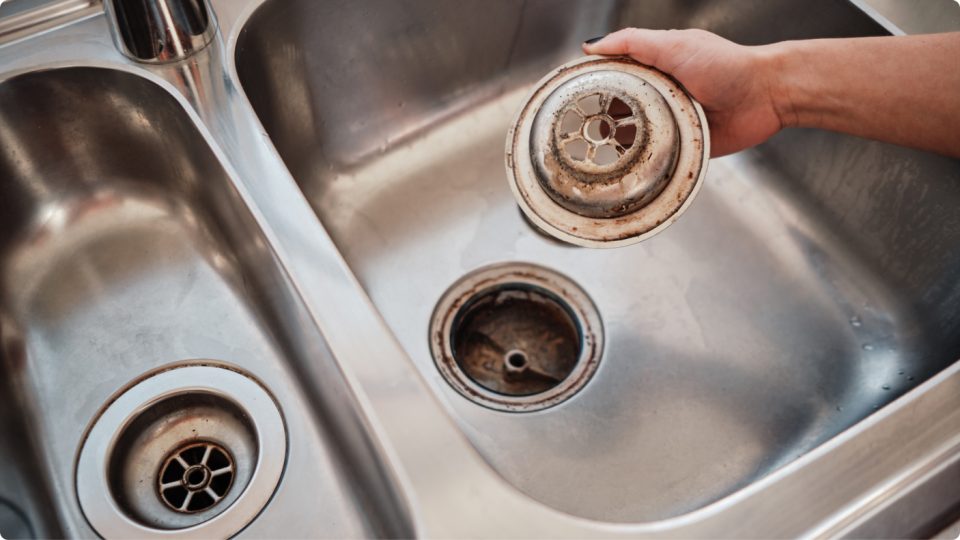
In the world of kitchen upgrades, fixtures like countertops and cabinets often steal the spotlight. But hidden in plain sight is one of the most overlooked and essential components in any home—the kitchen sink drain. This small but mighty piece of hardware plays a pivotal role in maintaining hygiene, preventing plumbing disasters, and keeping your kitchen running smoothly day after day.
From understanding how it works to choosing the right material and knowing when it’s time for a replacement, a well-functioning kitchen sink drain deserves more attention than it typically gets. Whether you’re building a kitchen from scratch, remodeling an outdated space, or just trying to troubleshoot a stubborn clog, this guide can help demystify what goes on under the sink.
The Unsung Hero of Kitchen Plumbing
The kitchen sink drain is more than a hole in the bottom of the basin. It’s a carefully engineered pathway designed to channel water and waste efficiently into your plumbing system. Most standard drains feature several components: the strainer or drain basket (which catches debris), the tailpiece (which connects the sink to the trap), and the P-trap (a curved section of pipe that holds a small amount of water to block sewer gases).
This system is deceptively simple. When properly installed and maintained, it quietly performs its job every time you run the faucet or rinse off a plate. When neglected or poorly fitted, though, it can cause clogs, leaks, and foul odors.
Material Matters: What Your Drain Is Made Of
Not all drains are created equal. The materials used can affect performance, durability, and how easy they are to maintain. Common options include:
- Stainless Steel: This is the most popular choice for modern homes. It’s corrosion-resistant, sleek in appearance, and pairs well with most sink types.
- Brass: Known for durability and resistance to high temperatures, brass is often used in higher-end kitchens. It does cost more but typically lasts longer.
- Plastic (PVC): Found in budget-friendly homes or temporary installations, plastic is lightweight and easy to work with, though it may degrade faster over time.
Choosing the right material is not just about aesthetics. For example, if you regularly pour hot liquids down your sink or use strong cleaning agents, brass or stainless steel will hold up better than plastic.
Clogs and Cleanouts: Avoiding the Usual Suspects
One of the most common kitchen plumbing issues is a clogged drain. While chemical drain cleaners may offer temporary relief, they can corrode pipes and harm the environment. A better strategy is prevention.
Grease, coffee grounds, and fibrous vegetables like celery or potato peels are notorious for causing blockages. Installing a fine mesh drain strainer can help catch problematic items before they enter the drainpipe. Regularly flushing the drain with hot water and a mixture of baking soda and vinegar can also help break down minor buildup.
When clogs do occur, a plumber’s snake or a simple plunger is often more effective and safer than chemical solutions. If these tools don’t work, it may indicate a deeper issue within the P-trap or main drain line, which might require professional assistance.
Signs It’s Time for an Upgrade
Like any component of your kitchen, your sink drain will eventually show signs of wear. Here are a few clues it may be time to consider a replacement or major maintenance:
- Persistent leaks under the sink
- Rust or corrosion around the drain flange
- A loose or wobbly drain basket
- Unpleasant odors that don’t go away with cleaning
- Slow drainage even after clearing clogs
Updating your kitchen sink drain is a relatively affordable improvement that can prevent costly water damage or hygiene issues down the line. It’s also a great opportunity to upgrade your setup with modern features, such as a deeper strainer basket or a built-in stopper mechanism.
The Eco-Friendly Angle
Modern kitchen design places a growing emphasis on sustainability, and your sink drain can play a part in that effort. For example, some newer drain assemblies are designed with integrated compost catchers that allow you to separate food scraps more easily. Others incorporate gray water systems that channel wastewater for irrigation or secondary household use (where permitted).
Even small changes—like using a biodegradable drain cleaner instead of a chemical one—can make your home more environmentally conscious.
Installation Tips and Common Mistakes
While installing or replacing a kitchen sink drain might seem like a job for the pros, it’s one of the more approachable DIY plumbing projects if you’re handy and patient. However, some mistakes can lead to future headaches.
- Skipping Plumber’s Putty: This simple sealing material helps create a watertight connection between the sink and the drain flange. Omitting it can cause minor leaks that worsen over time.
- Over-Tightening Connections: More pressure doesn’t always mean better sealing. Over-tightening metal parts can lead to cracks or stripped threads.
- Forgetting the Teflon Tape: Threaded connections in the drain assembly should be wrapped with plumber’s tape to prevent leaks.
If in doubt, it’s best to consult a licensed plumber. They can ensure proper alignment, drainage slope, and seal integrity to keep your kitchen running smoothly.
Matching Form with Function
Drains may be functional first, but they also contribute to the overall look of your kitchen. Modern designs come in a variety of finishes, including brushed nickel, matte black, and oil-rubbed bronze. These allow homeowners to match the drain with the faucet, cabinet hardware, or overall design theme.
Choosing a high-quality kitchen sink drain that blends form and function can elevate the look of your entire sink area. It is a subtle upgrade that adds polish and practicality to the heart of your home.
Final Thoughts
It may not have the glamour of marble countertops or high-end appliances, but the kitchen sink drain is a silent workhorse that deserves a little recognition. Investing time in choosing the right components and maintaining them properly can save money, prevent damage, and make your daily kitchen routine much smoother.
Whether you’re remodeling, repairing, or simply curious, understanding the details of your kitchen sink drain system can help you make smarter decisions and avoid messy surprises.