
Plumbing is the invisible circulatory system of the modern home. It operates continuously behind finished drywall, beneath subfloors, and deep underground to perform two vital, diametrically opposed functions: delivering a clean, pressurized stream of potable water for daily human consumption and safely removing organic waste and greywater from the living environment. When a residential plumbing system is engineered and maintained correctly, it preserves public health, protects the structural integrity of the home, and provides immense daily comfort.
However, because the vast majority of a home plumbing infrastructure is completely hidden from view, many homeowners fail to understand its complex physics and architectural layout until a major failure occurs. A burst supply pipe, a clogged main sewer line, or a failing vent stack can instantly cause thousands of dollars in property damage and disrupt a household for weeks. Developing a thorough understanding of residential plumbing components, system dynamics, and maintenance protocols is essential for anyone looking to build, renovate, or maintain a safe and efficient home.
The Dual Architecture of Residential Plumbing
A residential plumbing network is actually composed of two entirely separate, independent pipe systems that never interconnect: the water supply system and the Drain-Waste-Vent system.
The Water Supply System
The water supply system is a highly pressurized network designed to deliver clean water from either a municipal water main or a private well directly to individual fixtures throughout the house. Because this water is heavily pressurized, typically between forty and sixty pounds per square inch, it can travel uphill, navigate tight ninety-degree elbows, and reach upper floors with ease.
Water enters the property through a single subterranean main service pipe. Immediately inside the foundation wall, this line passes through the main water meter and a master shut-off valve before splitting into two distinct paths: one path travels directly to cold-water fixtures, while the other routes into the water heater to supply hot-water lines. The hot and cold supply lines then run parallel to one another through the framing studs until they terminate at individual faucets, showers, washing machines, and toilets.
The Drain-Waste-Vent (DWV) System
Once water leaves a faucet or flushes down a toilet, it transitions from the supply network into the Drain-Waste-Vent system. Unlike the supply lines, the DWV network is completely unpressurized and relies entirely on the natural laws of gravity and air pressure to function.
The drainage portion of the system utilizes sloped pipes to carry greywater from sinks and showers, as well as blackwater from toilets, down toward the main building drain and out to the municipal sewer or an underground septic tank. Because these lines carry solid materials and organic waste, they are significantly larger in diameter than supply lines and must maintain a precise downward slope of one-quarter of an inch per linear foot of run to prevent immediate blockages.
Critical Components of the Drainage Infrastructure
To safely transport waste without allowing toxic sewer gases to seep into the living spaces of a home, the DWV system relies on two critical engineering components: traps and vents.
The Anatomy of a P-Trap
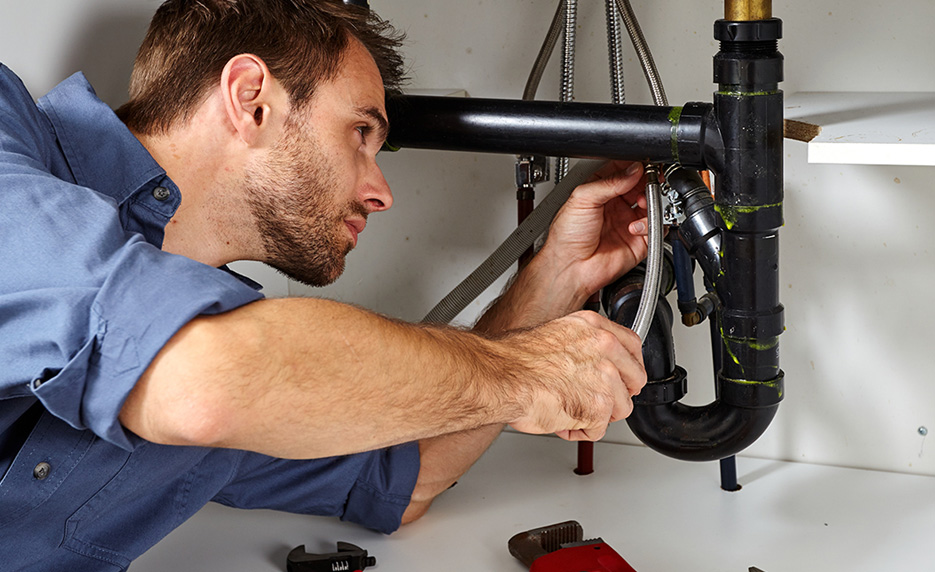
Every plumbing fixture in a home, with the exception of the toilet which features an internal trap configuration, must be equipped with an external U-shaped pipe section known as a P-trap. This trap constantly holds a small, intentional pool of standing water inside its lower curve. This water acts as a continuous, airtight physical plug that seals off the drainage pipe, preventing dangerous, foul-smelling, and flammable sewer gases from rising out of the sewer main and entering the home. Each time a fixture is used, the old standing water is flushed down the line and replaced with a fresh, clean pool of water.
The Role of Vent Stacks
For waste drains to flow smoothly and maintain their protective water barriers, the entire pipe network must be balanced by open air. As a large volume of water rushes down a drainage pipe, it acts like a piston, creating a powerful vacuum directly behind it. If the system lacks ventilation, this internal vacuum will forcefully suck the protective standing water straight out of the P-traps, leaving the drains bone dry and exposed to sewer gas leakage.
To prevent this, plumbing systems incorporate vent pipes that extend vertically upward through the interior walls and punch out directly through the roof line. These open-air vent stacks constantly introduce fresh atmospheric air into the drainage lines, equalizing the internal pressure and allowing waste lines to drain smoothly, much like poking a second hole in the top of a juice can allows the liquid to pour without glugging.
Standard Materials in Modern Residential Piping
The choice of piping material heavily dictates the longevity, cost, and structural reliability of a plumbing system. Modern building practices have largely abandoned traditional, heavy materials in favor of highly resilient engineered alternatives.
-
PEX (Cross-Linked Polyethylene): PEX has become the undisputed industry standard for residential water supply lines over the past two decades. This flexible plastic tubing can be snaked through wall cavities much like electrical wiring, drastically reducing the number of fittings and joints required, which inherently minimizes the potential points for a future leak. PEX is highly resistant to scale buildup, chemically inert, and capable of expanding slightly if water inside freezes, preventing burst pipes.
-
Copper: Copper remains the premium choice for water supply lines due to its unmatched durability and natural antimicrobial properties, which inhibit bacterial growth inside the water stream. Copper can easily withstand extreme temperatures and internal pressures, but it carries a very high material cost and requires open-flame soldering techniques to assemble, making installation labor-intensive.
-
PVC (Polyvinyl Chloride): PVC is a rigid, white plastic pipe used universally for the drain and vent lines of the DWV system. It is highly chemical-resistant, entirely immune to rust and corrosion, and features a perfectly smooth interior wall that minimizes friction and resists organic buildup. PVC pipes are permanently bonded together using a two-step chemical solvent welding process involving a purple primer and a specialized cement.
-
ABS (Acrylonitrile Butadiene Styrene): ABS is a rigid black plastic pipe that serves as an alternative to PVC for drainage networks. It is particularly valued for its high impact strength and ability to withstand extreme cold temperatures without becoming brittle. Unlike PVC, ABS does not require a separate primer step and is joined using a single-step cement welding process.
Proactive Maintenance Strategies to Prevent Failure
A home plumbing system is subjected to immense physical stress on a daily basis. Executing a few simple, proactive maintenance tasks can extend the operational life of your infrastructure and ward off catastrophic failures.
Annual Water Heater Flushing
Over months of continuous operation, dissolved minerals like calcium and magnesium naturally precipitate out of the domestic water supply and settle into a hard layer of sediment at the very bottom of your water heater tank. This sediment layer acts as a thick insulation blanket, trapping the heat and forcing the burner or heating elements to work significantly harder to warm the water, which drastically lowers energy efficiency and causes the tank metal to overheat and fail prematurely. Flushing your water heater once a year via its bottom drain valve removes this sediment buildup and preserves the system.
Eliminating Chemical Drain Openers
When a sink or shower drain slows down, many homeowners reflexively pour liquid chemical drain cleaners down the pipe. These products rely on highly caustic synthetic chemicals like sodium hydroxide or sulfuric acid to generate intense chemical heat to melt hair and grease. This extreme heat and corrosive action can easily warp thin-walled plastic PVC pipes, degrade rubber gasket seals, and eat away at the interior lining of old cast-iron pipes, turning a simple clog into a massive structural leak. Utilize manual clearing tools like a plastic drain zip-strip, a mechanical hand auger snake, or natural enzyme cleaners instead.
Frequently Asked Questions
What causes a sudden, loud banging noise inside walls when a faucet is shut off?
This phenomenon is known as water hammer. It occurs when a fast-closing valve, such as those found inside washing machines, dishwashers, or single-handle modern faucets, abruptly halts a rapid flow of pressurized water. The momentum of the moving water slams violently against the stopped valve, sending a high-pressure shockwave vibrating back through the pipe network and causing the lines to rattle against the wooden framing studs. This can be permanently corrected by installing mechanical water hammer arrestors, which contain an internal air cushion that absorbs the kinetic energy safely.
How can I locate my home main water shut-off valve in an emergency?
The main water shut-off valve is typically located close to the perimeter foundation wall where the main subterranean utility pipe enters the home. In colder climates, it is usually found in a utility room, basement, or crawlspace directly adjacent to the water meter. In warmer climates, it may be housed inside an exterior ground box located near the property boundary line near the street. It is critical to locate and label this valve with a bright tag so every family member can find and close it instantly during a major pipe failure.
Why does the water in my guest bathroom shower smell like rotten eggs when first turned on?
A rotten egg odor typically indicates the presence of hydrogen sulfide gas produced by sulfur bacteria colonizing inside the home water system or drainage lines. If the smell occurs exclusively in an infrequently used guest bathroom, it is usually because the standing water inside the shower P-trap has completely evaporated over weeks of non-use, allowing sewer gases from the deep main line to vent freely into the room. Running the water for two minutes will refill the P-trap and block the odor instantly.
Is it normal for a toilet to turn on and run for a few seconds when nobody has flushed it?
No, this is a distinct sign of an internal leak, a condition often referred to as ghost flushing. It happens when water slowly escapes from the upper toilet tank down into the lower bowl due to a worn, warped, or chemically degraded rubber flapper valve at the bottom of the tank. As the tank water level drops below a specific threshold, the internal float mechanism drops, triggering the fill valve to open for a few seconds to replenish the lost water. Replacing the inexpensive rubber flapper resolves this issue completely and saves thousands of gallons of wasted water.
What is the difference between a main sewer line clog and a localized secondary drain clog?
A localized secondary clog affects only a single isolated fixture, such as a hair blockage beneath a bathroom sink basin, while all other household drains flow perfectly. A main sewer line clog occurs when a heavy obstruction, such as thick tree root intrusion or accumulated grease, blocks the single main pipe connecting the house to the municipal system. When the main line is clogged, wastewater cannot escape the property at all, causing sewage to actively back up out of the lowest drains in the house, such as basement showers or floor drains, whenever an upper floor toilet is flushed.
Why are low-flow toilets and faucets legally mandated in modern home construction?
Federal and local building regulations mandate low-flow fixtures to enforce aggressive residential water conservation and reduce the volumetric load placed on public wastewater treatment facilities. Modern high-efficiency toilets are legally restricted to using a maximum of 1.28 gallons of water per flush compared to older models that consumed up to 3.5 to 5 gallons per flush, utilizing advanced bowl dynamics and velocity jets to achieve equal clearing power with a fraction of the water volume.