
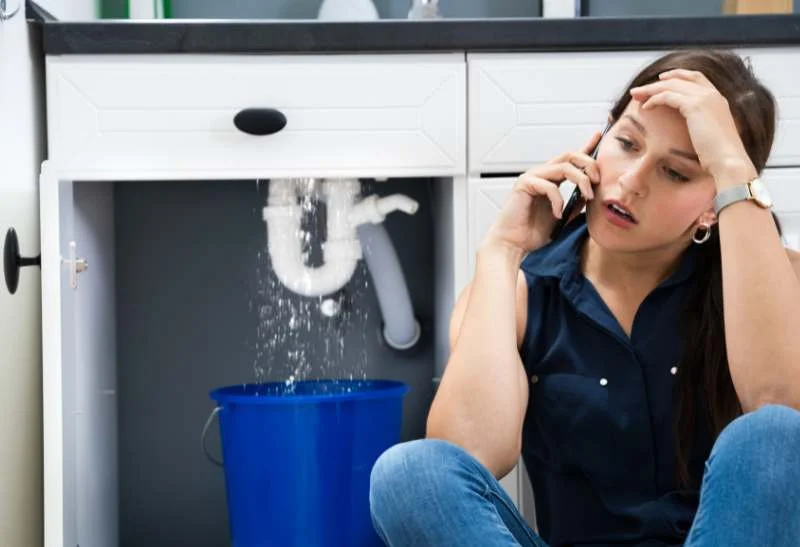
Renting can be a bit of a gamble. You might score a place with ocean views and decent water pressure, or you might find yourself ankle-deep in water at 3 a.m.
When you don’t own the place, plumbing disasters are a special kind of nightmare; you can’t just grab a wrench and go to town. But here’s the thing: even as a tenant, you’ve got more control than you think.
So, before you start Googling ‘how to fix a burst pipe without losing your bond,’ let’s run through what you actually need to do.
Assess the Situation
Before you start frantically calling anyone, take a moment to work out exactly what’s happening. Is it a burst pipe turning your hallway into a slip hazard or just a slow drip from under the sink?
If water is coming out at full force, your top priority is to find and turn off the main water valve. In most rentals, it’ll be under the kitchen sink, near the water meter, or outside by the front tap. Turn it clockwise to shut the flow off.
Now, if it’s more of a trickle than a torrent, you’ve got a few extra minutes, but don’t get too comfortable. Even a small leak can lead to damaged carpets, mouldy smells, or that awkward chat about ‘bond deductions’ you’d rather avoid.
For now, just focus on stopping the flow. We’ll talk about how to manage the aftermath and keep the damage to a minimum.
Document the Damage
Your phone isn’t just for memes and messages. It’s actually the best tool you have to document evidence. So, take clear photos of every angle, puddle, stain, and water trail you can find.
If it’s still dripping, take a short video, too. It’ll help you show the issue in real time, and that can make your case stronger when you contact your landlord or property manager.
Next, write down a quick timeline, highlighting when you first noticed the problem, what you did to stop it, and any actions you’ve taken since. You don’t need a full report. Just a few clear notes on your phone will do.
This might feel like overkill when you’re standing in wet socks, but it’s worth it. These records can speed up repairs, protect your bond, and help if anyone tries to pin the blame on you later.
Notify Your Landlord
Once you’ve stopped the water and gathered your evidence, it’s time to bring in the people who can actually fix it.
That means getting in touch with your landlord or property manager, and the sooner you do it, the better. Even if they seem small, plumbing problems have a way of turning your home into a mini indoor lake faster than you’d think.
Start by calling or texting if it’s urgent. You want to make sure someone actually sees your message. After you’ve spoken to them, follow up with an email to confirm what’s happening. That way, you’ll have a written record if anything gets messy later.
When you explain the situation, keep it clear and to the point. Mention where the problem is, what you’ve done so far, and what’s still happening. Finally, don’t forget to attach your photos and videos.
Take Temporary Measures
While you’re waiting for a proper fix, your goal is to limit the damage. Even if your landlord or a plumber can’t get there straight away, a bit of quick action on your part can make a big difference.
Start by soaking up as much water as you can with towels and mops if it’s still dripping steadily.
If you’ve got a fan, switch it on to help things dry faster. Even opening a window will help reduce moisture and prevent mould from setting in.
For minor leaks, plumber’s tape or a sealant might slow things down temporarily, but be careful not to push your luck. You’re not expected to fix it yourself, and doing too much could actually cause more problems or even breach your lease.
Last but not least, move anything that might get damaged, like furniture, rugs, electronics, or that box of important papers you meant to put away last week. Water spreads quickly, and the sooner you get things out of harm’s way, the better.
Containing the water will also help when it’s time for your exit bond clean. Stained walls, musty smells, or warped skirting boards can all count against you later if you didn’t report or manage the issue properly.
Know Your Rights
Luckily, you’re not stuck waiting around for your landlord to get back to you whenever they can. The law gives tenants solid protection, and understanding it will put you in control rather than at the mercy of someone else’s schedule.
Familiarise Yourself with Local Laws
Under Australian tenancy law, landlords are required to keep rental properties in a safe, liveable condition, and that includes functional plumbing.
Urgent issues, such as burst pipes, overflowing toilets, or a total loss of water service, aren’t just inconvenient. They’re classified as emergency repairs, which means they must be dealt with straight away.
Each area has its own rules, though, so check what’s relevant where you live.
Review Your Lease Agreement
It’s easy to skim past your lease when you first move in, but that fine print can come in handy. It lays out who’s responsible when something breaks, and that includes plumbing emergencies.
Some leases state that the landlord should sort out all home plumbing. Others may ask you to handle small maintenance tasks, like tightening a loose fitting or replacing a washer. So, you’ll want to know which camp you’re in.
Seek Assistance If Needed
If you’ve reported the issue, followed up, and still feel like you’re getting nowhere, it’s time to get some help.
Every state and territory in Australia has a tenant advisory service designed for situations like this. They can explain your rights, help you draft official letters, and even contact your landlord on your behalf if things aren’t moving.
You’re not alone, and the earlier you get support, the easier it will be to take the right steps without making the situation worse.
Conclusion
Plumbing emergencies happen, but they don’t have to drown you in stress. So, the next time your pipes start acting up, skip the panic and channel your inner problem-solver.
You’re basically one call away from saving the day without even getting your feet too wet. And once it’s all sorted, you’ll have an excellent story and a cleaner bathroom to show for it.