
Understanding the Water Restoration Process: What to Expect
The Initial Assessment: Diagnosing the Damage
When faced with water damage, the first and arguably the most crucial step in the restoration process is the initial assessment. This phase involves a thorough inspection of the affected areas to determine the extent of the damage. Skilled professionals conduct a detailed examination, utilizing advanced moisture detection equipment such as infrared cameras and moisture meters. These tools allow them to identify hidden pockets of moisture that could pose a future risk for mold development. The assessment typically begins with a visual inspection followed by questions about the nature of the water incident and its source. Following the assessment, the restoration team will categorize the water damage, which is essential for implementing an appropriate restoration plan. Understanding the damage type is critical in deciding whether the affected materials can be restored or need to be replaced.
Water Extraction Techniques: Drying Out Your Space Effectively
Once the assessment is complete and the scope of the damage is understood, the next step is water extraction. Effective water removal is vital in preventing further damage and reducing restoration costs. Depending on the severity of the flooding, different methods of water extraction will be employed. Submersible pumps may be used for large volumes of standing water, while specialized vacuums designed for water remediation tackle smaller areas. Post-extraction, the focus shifts to ensuring all affected materials – drywall, flooring, and personal belongings – are dried thoroughly. Dehumidifiers and air movers are deployed strategically to enhance airflow and expedite the drying process. This phase requires careful monitoring to ensure that ambient moisture levels are controlled, thus reducing the risk of mold growth. Additionally, the restoration team must be vigilant in checking for further hidden water sources that may require further extraction.
Restoration vs. Replacement: Making the Right Choice
After the water extraction and drying processes take place, homeowners often find themselves caught in a dilemma: Should they restore or replace damaged items? This critical decision depends heavily on several factors, including the extent of the damage, the materials affected, cost considerations, and the potential for mold growth. Restoration is always a desirable option if feasible, as it typically costs less and reduces waste. For example, hardwood flooring that appears to be soaked may only require drying and refinishing rather than full replacement. Conversely, porous materials like carpets and drywall often succumb to irreversible damage from water exposure and may be best replaced to ensure a safe, healthy living environment. Consulting experienced restoration professionals can provide clarity and guide homeowners in making informed choices tailored to their specific situation.
Choosing the Right Professionals: What Sets Claremont Experts Apart
Experience and Certification: Why They Matter
In the realm of water restoration in Claremont, experience and certification are vital indicators of a company’s ability to effectively handle such crises. Water damage restoration is not just about drying out affected areas; it involves understanding a range of factors including construction materials, the science of drying, and the potential health risks associated with mold and bacteria. Reputable companies usually employ technicians certified by organizations like the Institute of Inspection, Cleaning and Restoration Certification (IICRC). Their training entails mastering various restoration techniques and adhering to industry best practices. Furthermore, professionals with extensive experience have likely encountered diverse and complex situations, enabling them to devise tailored solutions for unique challenges that may arise during the restoration process.
State-of-the-Art Equipment: The Technology Behind Effective Restoration
Modern water restoration relies heavily on advanced technologies and equipment that enhance the efficiency of the restoration process. High-performance extractors, for example, are capable of removing excessive moisture rapidly, while industrial-grade dehumidifiers can effectively lower humidity levels even in vast spaces. Moreover, thermal imaging cameras are invaluable for identifying hidden water damage that is invisible to the naked eye. These technologies not only speed up the drying process but also prevent further complications from arising. The use of antimicrobial agents and specialized cleaning solutions, which target mold spores and bacteria, is also common in the restoration process to ensure that your space is not just dry, but also hygienic. When selecting a restoration service, consider companies that leverage the latest technology, as it reflects their commitment to delivering high-quality service.
Customer Reviews and Case Studies: Learning from Others’ Experiences
Before settling on a water restoration service in Claremont, it’s crucial to review customer testimonials and case studies. These can provide insights into a company’s reliability, workmanship, and customer service. Positive reviews often highlight a company’s promptness, professionalism, and clarity in communication during what can be a stressful time for homeowners. Case studies present real-life scenarios where companies have successfully restored properties, illustrating their approach to different challenges. Such resources can be found on company websites, social media platforms, and third-party review sites. By doing your due diligence, you can narrow your options and select a restoration service that is reputable and aligned with your needs.
Understanding Water Damage Categories: A Deep Dive
Category 1: Clear Water—The Lesser Evil
Category 1 water damage, often referred to as ‘clean water’ incidents, originates from a sanitary source that does not pose a significant health risk to humans. Common sources include broken water supply lines, overflowing sinks, or melting snow. While this type of water damage is less concerning, it still requires prompt attention to prevent escalation into more serious issues like mold infestation. Restoration efforts can often be straightforward, focused primarily on water extraction and drying. However, even Category 1 damage necessitates careful monitoring, as prolonged exposure to moisture can lead to secondary damage. It’s also important to note that what starts as Category 1 can quickly turn into Category 2 if left untreated and mixed with contaminants.
Category 2: Grey Water—Addressing Contaminated Sources
Category 2, or grey water, includes water that is significantly contaminated and may cause discomfort or illness if ingested. Sources of grey water include washing machine overflows, toilet overflow (with urine but without feces), and dishwashers. Grey water can contain pollutants such as soap, grease, or chemicals. Restoring this type of damage is more complex and often requires thorough cleaning and disinfection of affected areas while ensuring that contaminated materials are assessed for replaceability. Restoration teams must don protective gear and take additional precautionary measures due to the heightened risk of health issues. Acting swiftly is crucial because if grey water is allowed to sit, it can become Category 3, posing severe health risks.
Category 3: Black Water—Dealing with Serious Hazards
Category 3 water damage, commonly known as ‘black water,’ is the most severe type of water damage and poses serious health risks. This type of water is a result of natural disasters, sewage backups, or other hazardous environments. Black water contains harmful pathogens, bacteria, and chemical contaminants that can lead to illness and serious health complications. Addressing black water damage requires immediate professional intervention, as the restoration process involves extensive cleanup, decontamination, and in many cases, the disposal of compromised materials. Restoration teams must utilize personal protective equipment (PPE) and advanced disinfecting techniques to ensure that the area is safe for reoccupation. Additionally, it’s essential to examine the underlying causes of the black water to prevent repeat incidents, often requiring structural repairs to prevent future exposure to such hazardous situations.
Preventing Future Water Damage: Essential Tips for Claremont Residents
Proactive Maintenance: Keeping Your Home Safe
Preventing future water damage starts with proactive maintenance strategies that every homeowner can implement. Regular inspections of plumbing fixtures, roofs, and gutters are paramount in identifying potential weaknesses before they escalate into significant issues. Simple tasks such as ensuring that downspouts direct water away from the foundation, clearing debris from gutters to prevent clogs, and monitoring the condition of pipes can save homeowners from considerable restoration costs down the line. Additionally, consider investing in flood barriers or sump pumps, especially if you live in an area prone to flooding. Creating a home maintenance checklist and scheduling inspections, particularly before the rainy season, can ensure your home remains protected against moisture intrusion.
Weathering the Storm: Preparing for Seasonal Flooding
For those living in Claremont, understanding the local climate and potential natural disasters is essential in crafting a prevention plan for seasonal flooding. Preparing for heavy rains or storms includes assessing your property’s risk factors and implementing measures such as a flood-proofing system. Low-lying areas may require elevation or the installation of drainage systems to mitigate flooding risks. Moreover, stockpiling essential supplies such as sandbags and waterproof tarps can facilitate faster responses during a flood event. It’s also wise to establish a family emergency plan that includes safe exit routes and communication strategies during a storm, ensuring that all household members are ready to act if flooding occurs.
Homeowner’s Insurance: Understanding Your Coverage for Water Damage
Homeowner’s insurance is a critical tool for managing the risks associated with water damage, but many homeowners are unaware of the specifics of their coverage. It is important to review your insurance policy and speak with your agent to understand what types of water damage are covered and under what circumstances. Some policies may cover the costs associated with sudden pipe bursts, while others may exclude certain types of water damage related to flooding or neglect. Consider adding an endorsement or rider for flood insurance, especially if you live in a flood-prone area. Knowing the extent of your coverage not only offers peace of mind but can also guide you in holding onto crucial documentation in the event of a water damage incident, ensuring a smoother claims process and helping you recover quickly.
FAQ
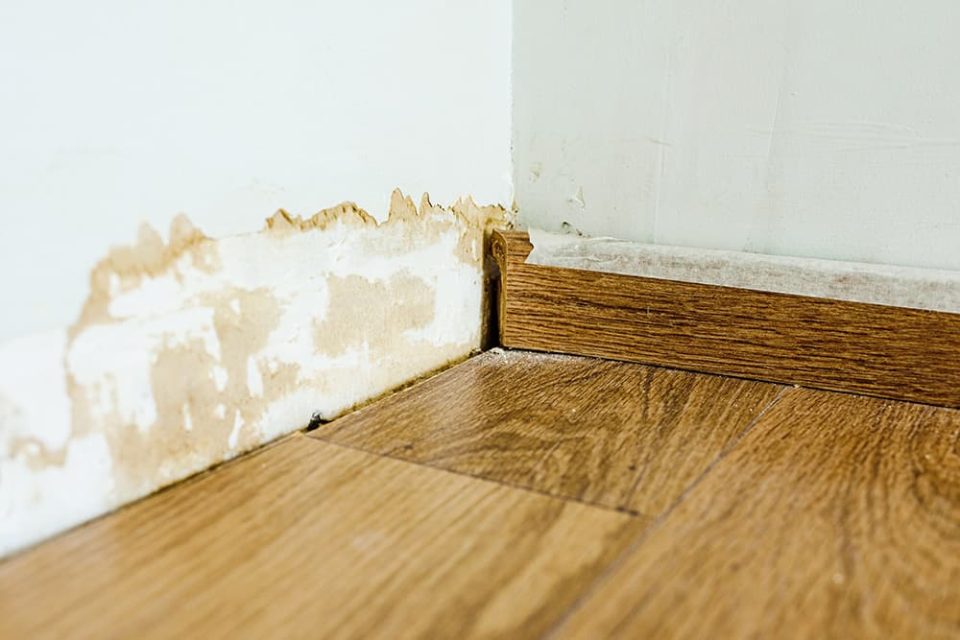
Question: What are the signs of water damage in a home? – Common signs of water damage include discoloration on walls or ceilings, peeling paint, musty odors, and visible mold growth. Homeowners should also be aware of increased humidity levels and any unexplained dampness in their living spaces.
Question: How long does the restoration process typically take? – The duration of the restoration process can vary based on the extent of damage and the type of restoration needed. Generally, minor water damage may take a few days, while more severe cases could extend from one to two weeks or longer, depending on the specific circumstances.
Question: Can I prevent mold growth after water damage? – Yes, preventing mold growth involves quick action post-water extraction. Ensure all affected areas are adequately dried within 24-48 hours, utilize dehumidifiers, and maintain good airflow. Additionally, cleaning and sanitizing surfaces can further reduce the risk of mold development.
Question: Are DIY water restoration methods effective? – While some minor water damage may be managed with DIY methods, for significant issues, it is advisable to seek professional help. Professionals have the expertise and equipment needed to effectively detect hidden moisture, ensure proper drying, and prevent additional damage.
Question: What should I do immediately after discovering water damage? – First, ensure safety by turning off electricity and gas if necessary. Next, stop the source of water if possible, remove any belongings from the affected area, and then call a professional water restoration service to assess the damage and initiate the restoration process.
Question: Will homeowner’s insurance cover water damage restoration? – Coverage can vary by policy and the nature of the water damage. Generally, sudden and accidental water damage (like a burst pipe) may be covered, while damage from long-term neglect or flooding may not be. It’s essential to review your policy or speak with your insurance agent to understand coverage specifics.
Question: What types of equipment do restoration professionals use? – Restoration professionals utilize advanced equipment such as industrial-grade dehumidifiers, air movers, high-performance water extractors, and thermal imaging cameras. These tools expedite the drying process and help identify hidden moisture, ensuring thorough and effective restoration.
Question: How can I find reliable water restoration services in Claremont? – To find reliable services, seek recommendations from friends or family, read customer reviews on platforms like Yelp or Google, and check credentials to ensure technicians are certified by reputable organizations like the IICRC. Additionally, inquire about their experience and approach to restoration services.
Useful Resources
- Institute of Inspection, Cleaning and Restoration Certification (IICRC)
- Federal Emergency Management Agency (FEMA)
- American Red Cross
- S. Environmental Protection Agency (EPA)
- National Flood Insurance Program (NFIP)
- American Hospital Association (AHA)
- Centers for Disease Control and Prevention (CDC)
- S. Department of Housing and Urban Development (HUD)