
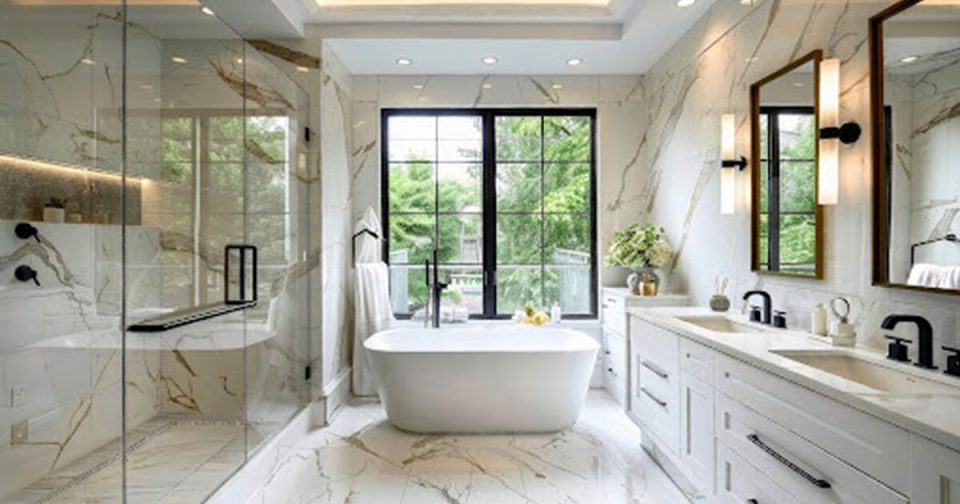
The bathroom vanity serves as the absolute anchor of your bathroom design. It is typically the very first thing you notice when stepping into the room and the hardworking hub where you begin and end each day. Choosing the right one is a major decision that requires balancing everyday practical functionality with your personal design aesthetic.
A poorly planned vanity choice can lead to cramped quarters, inadequate storage, and frequent maintenance headaches. Conversely, a well-selected piece instantly elevates your morning routine and maximizes your square footage. This comprehensive guide will take you step-by-step through the process of selecting the perfect vanity for your home, from precise spatial planning to the final hardware details.
Assessing Layout and Spacing Requirements
Before exploring beautiful finishes and countertop options, you must ground your decision in the physical limitations of your bathroom. Accurate measurements are non-negotiable because even a fraction of an inch can disrupt the flow of the room.
Standard Vanity Dimensions
Vanities are categorized by their width, depth, and height. Understanding these standard parameters helps you narrow down your search efficiently.
-
Width: Standard widths for single-sink vanities are 24, 30, 36, and 48 inches. For double-sink configurations, standard widths expand to 60 and 72 inches.
-
Depth: The most common vanity depth is between 21 and 22 inches. However, if you are working with an exceptionally tight powder room or a narrow layout, narrow-depth vanities measuring 15 to 18 inches are widely available.
-
Height: Traditional vanities measure roughly 30 to 32 inches tall. Modern design favors comfort height vanities, which mirror kitchen counter heights at 36 inches. This taller profile reduces the need to bend over while washing your hands or brushing your teeth.
Traffic Flow and Clearances
A vanity must exist harmoniously with the other fixtures in the room. You must verify that the surrounding space allows for comfortable movement and full utilization of the unit.
Ensure there is a minimum of 30 inches of clear floor space directly in front of the vanity to comply with standard building codes and allow for comfortable standing room. You also need to calculate the swing radius of any cabinet doors or drawers to guarantee they will not strike the toilet, shower glass, or entry door when fully opened. If space is at an absolute premium, prioritize drawers that slide straight out or consider open shelving units rather than swinging cabinet doors.
Selecting the Right Mounting Style
The mounting style dictates the visual weight of your vanity and heavily influences how spacious your bathroom feels.
Freestanding Vanities
Freestanding units are the traditional choice and remain incredibly popular due to their straightforward installation and maximizing of storage. These units rest firmly on the floor, often supported by decorative legs or a solid kickboard base. Because they mimic standard furniture, freestanding models offer deep drawers and large interior cabinets, making them the ultimate storage workhorses for busy family bathrooms.
Wall-Mounted Floating Vanities
Wall-mounted or floating vanities are anchored securely to the wall studs, leaving the floor underneath completely exposed. This design creates a striking, minimalist aesthetic that works wonders in small spaces. By opening up the sightline along the floor, a floating vanity makes a compact bathroom feel significantly larger and less congested. An added benefit is that cleaning the bathroom floor becomes effortless. However, keep in mind that floating styles sacrifice a portion of lower storage space and require heavy duty structural reinforcement behind the drywall during installation.
Solid Wood
Solid hardwoods like walnut, oak, and maple are the premium standard for vanity construction. They offer unmatched structural integrity and a timeless aesthetic. Solid wood handles structural loads beautifully, allowing for heavy stone countertops without bowing. To protect your investment, ensure the wood is treated with a high-quality, water-resistant lacquer specifically formulated for high-humidity environments.
Plywood
High-grade furniture plywood consists of multiple layers of wood glued together in cross-grain patterns. This cross-grain construction makes plywood incredibly stable and far more resistant to expanding and contracting due to moisture than solid wood. It is an excellent, durable middle ground option that serves as a highly reliable substrate for wood veneers or painted finishes.
Medium Density Fiberboard (MDF)
MDF is an engineered material made by breaking down hardwood or softwood residuals into fine wood fibers, combining them with wax and resin, and pressing them into panels. Because it has no natural grain, it offers an incredibly smooth surface for seamless painted finishes. While high-quality MDF handles moisture well if completely sealed, any chip or deep scratch that exposes the inner fibers to standing water can cause the material to swell and degrade permanently.
Choosing Countertop and Sink Configurations
The vanity top experiences the most physical wear and tear from spilled cosmetics, hot styling tools, and pooling water. The material you choose should match your maintenance tolerance.
Top Countertop Materials
-
Quartz: This engineered stone is non-porous, incredibly scratch-resistant, and completely stain-resistant. It requires absolutely no sealing, making it the premier choice for low-maintenance luxury.
-
Marble: Offering unmatched elegance and intricate natural veining, marble is a classic choice. However, it is a porous, soft stone prone to etching from acidic liquids and staining from hair dyes or dark cosmetics. It requires regular sealing and careful upkeep.
-
Solid Surface: Made from acrylic and polyester resins, solid surface countertops are entirely seamless. They are highly hygienic and any accidental scratches can easily be buffed out using a fine abrasive pad.
Sink Integration Methods
-
Undermount Sinks: Mounted entirely underneath the countertop, this configuration eliminates any visible lip, allowing you to wipe water and debris from the counter directly into the sink basin.
-
Vessel Sinks: These basins sit entirely on top of the counter surface, resembling a decorative bowl. They create a distinct focal point but reduce the amount of usable, flat counter space and require a taller faucet setup.
-
Integrated Sinks: Molded directly out of the same material as the countertop, integrated sinks offer a completely seamless transition with zero joints or seams, eliminating grime-catching crevices for maximum cleanliness.
Optimizing Storage Architecture
A beautiful vanity loses its appeal quickly if it cannot properly house your daily necessities. Take an inventory of what you need to store before making a final selection.
Modern premium vanities utilize deep drawer banks with U-shaped drawer cutouts designed specifically to wrap around internal plumbing pipes. This ensures no storage space is wasted. Look for customizable internal organizers, built-in styling tool slots, and integrated power strips equipped with GFCI outlets directly inside the drawers. These clever features allow you to keep hair dryers and electric toothbrushes plugged in and completely tucked away, maintaining a clean, clutter-free countertop surface.
Frequently Asked Questions
Can I install a double-sink vanity on a wall previously plumbed for a single sink?
Yes, but it requires modifying your existing plumbing. A plumber will need to open the wall to extend the waste drain lines and supply lines to accommodate both sinks. Failing to alter the internal wall plumbing correctly can lead to sluggish drainage issues and will violate local building codes.
What is the difference between a prefabricated vanity and a custom modular vanity?
Prefabricated vanities are sold as all-in-one units that come complete with the cabinet, countertop, and pre-cut sink holes, making them cost-effective and simple to install. Custom modular vanities allow you to select the individual components independently, giving you total freedom to mix and match the cabinet width, drawer layout, countertop material, and sink style to fit your exact preferences.
How do I determine if my bathroom wall can support a heavy floating vanity?
A floating vanity cannot be hung using standard drywall anchors alone. It must be bolted directly into the wooden or metal wall studs. If the existing studs do not align perfectly with the vanity mounting brackets, you or your contractor must remove a section of drywall to install solid wood blocking between the studs to create a secure structural anchor point.
Is it better to buy a vanity with the countertop attached or separate?
Buying them separate makes the installation process significantly easier and safer. A combined wood cabinet and stone countertop unit can easily weigh over two hundred pounds, making it incredibly unwieldy to carry through tight bathroom doorways and hallways. Separate pieces are much lighter to maneuver and minimize the risk of cracking the stone during transit.
How do I prevent water damage to the bottom edges of a freestanding vanity?
Ensure the joint where the base of the vanity or the kickboard meets the bathroom floor tile is sealed with a neat bead of mold-resistant silicone caulk. This bead acts as a waterproof barrier, preventing puddle water from mopping or accidental splashes from seeping underneath the vanity where it can warp the wood base over time.
Why do some vanities require a backsplash while others do not?
A backsplash protects your drywall from water rot and stains. If your vanity sits entirely flush against a rear wall, a matching stone or tile backsplash is highly recommended. However, if you are opting for a vessel sink that sits far forward, or if your bathroom wall is already fully tiled from floor to ceiling, a dedicated vanity backsplash is unnecessary.