
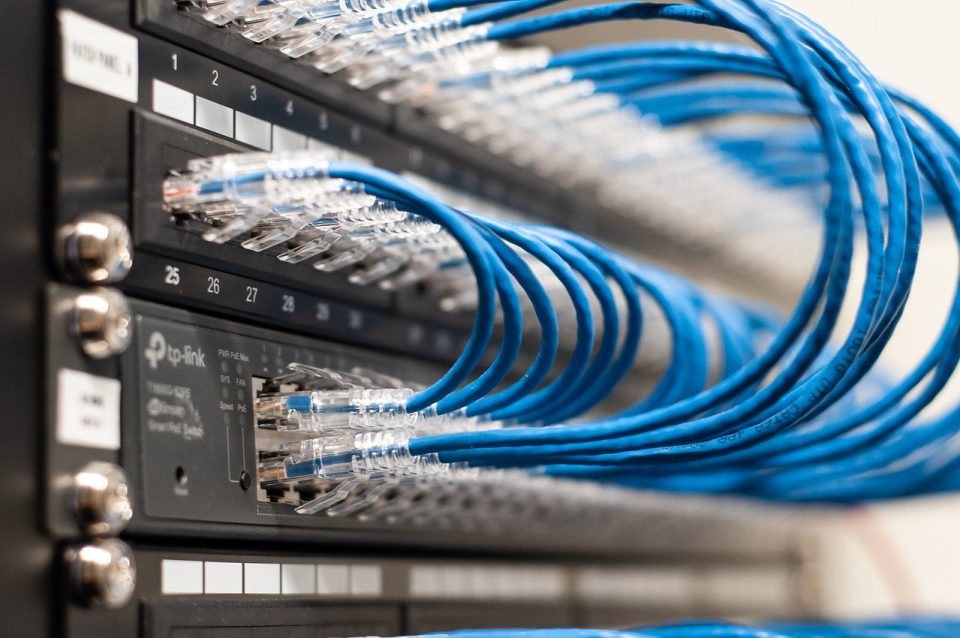
When a building is constructed, it needs a lot more than solid civil work and reliable power. This includes a strong network that supports day-to-day operations. That’s where communication cables are important as they carry signals for the internet, security, voice, and building controls.
In India, this matters even more because many buildings deal with tight shafts, mixed-use floors, and frequent service additions. Let’s talk about their role in detail.
What Communication Cables Do Inside a Building
Whether we think of office complexes or residential buildings, the communication cables provide these essential pathways, connecting individual workstations, wireless access points, and IoT devices to central servers and internet service provider entry points. They support connectivity for multiple aspects like:
- Internet connectivity and internal networking
- Wi-Fi access points across cabins, corridors, and common areas
- CCTV cameras, NVR rooms, and video door phones
- Intercom and IP telephony systems
- Access control, boom barriers, and biometric readers
- Fire alarm panels and emergency communication links
- Building Management Systems for HVAC, lighting, and energy monitoring
Why Cabling Quality Impacts Long-Term Performance
People notice network issues immediately, but they rarely trace the cause back to the cables. Yet a major share of problems start with poor layout, wrong selection, or weak terminations.
When you select the right grade of data communication cables, you get stable speed, fewer drops, and predictable performance. This becomes critical in offices where video calls, cloud tools, and VPN usage run all day. It also matters in schools and colleges where multiple floors connect to one central network room. A cable setup that works “somehow” at 20 users often fails at 80 users.
Good cabling also protects the building’s resale and rental value. Tenants look for ready infrastructure. They do not want to redo concealed work just to get decent Wi-Fi and security coverage.
Where Cables Sit in the Infrastructure Plan
We can define or understand a building infrastructure plan in three layers.
- Structure and finishing
- Electrical power distribution
- Networking and low-voltage systems
Communication cables sit in the third layer. They link endpoints like cameras, access readers, and access points to network switches, servers, and control panels. They also connect floors through risers and shafts. If you design this layer with proper pathways and spare capacity, you can add systems later without breaking walls or ceilings.
This is also where “structured cabling” helps. Instead of random point-to-point runs, you plan a central rack, patch panels, and defined routes. The result is cleaner maintenance and faster fault finding.
Installation Quality Matters as Much as Product Selection
Even the best cable will fail if installation is sloppy. Contractors should avoid tight bends, cable crushing, and poor crimping. They should also label both ends and keep a simple layout document. Testing is non-negotiable. Certification or at least basic performance testing helps confirm the line can handle the intended load.
This is where a second look at data communication cables helps. The cable type must match the network speed target, the length of each run, and the environment. A casual choice often leads to bottlenecks that nobody can “fix” with a better router.
Common Problems Seen in Indian Projects
Many buildings face similar issues across cities and budgets:
- Cabling done after interiors, leading to surface trunking and poor aesthetics
- No central rack space, so wiring gets stuffed into random corners
- Mixed cable types used without documentation, making repairs slow
- Extra joints added instead of replacing damaged runs
- No spare routes, so every new addition becomes drilling and patchwork
These issues do not look serious on day one, but they increase downtime and maintenance cost over time.
Conclusion
Reliable digital connectivity underpins every aspect of modern commercial productivity and residential quality of life in urban India. Communication cables serve as the invisible yet critical foundation supporting business operations, security systems, entertainment platforms, and occupant comfort features in contemporary construction. Ensure proper specification according to BIS standards, professional installation by licensed contractors, and proactive maintenance. To prevent bottlenecks or any compliance violations, partner with experienced system integrators who are well-versed in building layouts, compliance needs, and long-term performance. By treating these cables as the core infrastructure, your building is prepared for upgrades in the longer term without disruption.