
1. The Top Materials That Define Modern Countertops
1.1 Beyond Granite: Exploring Exotic Stone Options
While granite continues to be a favored choice, the world of countertops has expanded to include a plethora of exotic stone options that can elevate any kitchen or bathroom. Materials such as soapstone, onyx, and slate provide unique aesthetics and functional benefits. Soapstone, for instance, is known for its softness and natural resistance to heat and stains, making it a practical choice for culinary spaces. Onyx, on the other hand, is prized for its stunning translucency, often illuminated from beneath to create a breathtaking focal point in any room. Homeowners who choose these materials not only enjoy the beauty but also the opportunity to own a truly unique piece that tells a story of geological processes that took millions of years.
Additionally, integrating rare stones like marble from Carrara or Calacatta can offer a touch of luxury, both in texture and appearance. Marble has been revered in architectural circles for centuries due to its ability to withstand the passage of time while maintaining a classic appearance. Alongside these options, semi-precious stones like agate, jade, and quartzite are emerging as popular choices, infusing spaces not just with beauty but also with a sense of individuality in design. Selecting an exotic stone not only boosts the aesthetic appeal of your space but also signifies a commitment to unique craftsmanship.
1.2 The Rise of Engineered Quartz: Style Meets Durability
Engineered quartz has rapidly gained popularity, becoming a frontrunner in the list of preferred countertop materials. This composite material, made from 90% natural quartz crystals, mixed with resins and pigments, presents a remarkable balance of durability and aesthetic appeal. One key advantage of engineered quartz is its non-porous surface, which is inherently resistant to staining, bacteria, and moisture. This aspect makes it an ideal choice for busy households and areas that demand higher hygiene standards, such as kitchens and bathrooms.
Furthermore, the versatility of engineered quartz is noteworthy; it comes in a vast array of colors, patterns, and textures, allowing homeowners to customize their spaces to reflect their personal style. From sleek, minimalist whites that accentuate modern designs to bold, speckled hues that contrast with dark cabinetry, the design possibilities are endless. Additionally, because engineered quartz is manufactured, it provides a uniform appearance that natural stones may lack, making it easier to achieve a cohesive look across multiple areas. The combination of style, ease of maintenance, and versatility solidifies engineered quartz as an optimal solution for contemporary countertop needs.
1.3 Reclaimed Wood: Adding Warmth to Your Kitchen
For those who prefer the rustic charm and character of natural materials, reclaimed wood presents an extraordinary option for countertops. Sourced from old barns, factories, and other structures, reclaimed wood not only boasts a rich history but also serves as an eco-friendly choice that contributes to sustainable building practices. Each piece carries its own story—dents, knots, and weathered textures that add to the visual appeal and warmth of the space.
In kitchens, wood countertops provide a contrasting softness to traditional stony surfaces, bringing an inviting warmth that resonates well with family and cooking activities. However, potential buyers should be aware that wood requires a certain level of commitment, including regular maintenance such as oiling and sealing to prevent water damage and maintain its luster. When properly cared for, reclaimed wood can develop a beautiful patina over time, enhancing its rustic appeal and ensuring that it becomes an integral part of the home for years to come.
2. Choosing the Right Countertop for Your Lifestyle
2.1 Busy Families: Which Surfaces Can Stand the Test of Time?
In bustling households where children, pets, and everyday cooking all collide, choosing the best countertops in Toronto can be a real game changer. The ideal surface must be durable, resistant to scratches, and easy to clean. Materials like quartz, laminate, and solid surface are top contenders that perfectly blend practicality with resilience. Quartz, as previously mentioned, offers excellent resistance to staining and scratching, making it a prime candidate for the family kitchen.
Moreover, laminate countertop options can withstand the rigors of daily life while providing a variety of styles that mimic more expensive materials. It is also incredibly budget-friendly, making it a popular choice for those who want aesthetics without breaking the bank. If maintenance is a concern, then solid surface materials like Corian are non-porous and easy to repair, allowing minor scratches to be sanded away without affecting the overall look. Families that prioritize longevity and ease of maintenance will find these materials align perfectly with their lifestyle needs.
2.2 Culinary Enthusiasts: Best Choices for the Home Chef
For passionate home chefs, a countertop must not only be visually pleasing but also functional and resilient under rigorous use. Here, granite and butcher block surfaces tend to stand out. Granite has long been applauded for its heat resistance and toughness, making it suitable for food preparation and cooking. Its natural beauty and variety of colors can complement any kitchen design, while its durability ensures it withstands the test of time, even under heavy kitchen traffic.
Butcher block, made from strips of wood, evokes a professional kitchen feel and encourages culinary creativity, providing a warm, tactile surface that’s excellent for chopping and food preparation. However, it does require some TLC, including regular oiling and avoiding direct water exposure. For chefs who prioritize extensive cooking alongside an eye-catching design, a combination of granite for rigorous cooking tasks and butcher block for prep could prove an unbeatable duo, catering to both function and style. Additionally, integrating islands made from such materials can create an appealing visual centerpiece while being practical.
2.3 Minimalist Aesthetics: The Allure of Sleek Finishes
For those drawn toward minimalist aesthetics, the allure of sleek finishes and subtle elegance offers a signature look that emphasizes simplicity and understated sophistication. Countertops made from materials such as concrete or large format porcelain tiles exemplify the minimalist style while providing durability and uniqueness. Concrete, often underrated, allows a high degree of customization in terms of color and texture, and can be poured directly into a desired shape. This adaptability presents homeowners with an opportunity to create eye-catching monolithic surfaces that perfectly align with modern design tenets.
Likewise, large format porcelain tiles provide the benefit of fewer grout lines and can achieve a seamless effect, enhancing clean lines and spaciousness in contemporary designs. These materials not only embody the minimalist philosophy but also facilitate easy maintenance, requiring simply a gentle wipe down to maintain their beauty. For those looking to make a statement with minimalistic elegance, exploring these options can yield spectacular results that remain timeless.
3. Design Trends: What’s Hot in Toronto Countertop Styles
3.1 Bold Colors and Patterns: Making a Statement
As design trends evolve, so does the tendency to incorporate bold colors and striking patterns into countertop choices. In Toronto, many homeowners are gravitating towards vibrant hues such as deep blues, emerald greens, and rich burgundies that allow them to express their personality. These colors can serve as focal points within a kitchen or bathroom, drawing attention and creating an inspiring atmosphere.
In addition to color, the integration of intricate patterns—whether through veining in marble, speckling in engineered quartz, or unique finishes—creates visual interest that can offset and complement surrounding cabinetry and decor. Customization options allow for personal touches, infusing spaces with individuality. Designers are increasingly utilizing these trends to create alluring visual compositions that transform ordinary spaces into dynamic and engaging environments, making a significant impact on overall aesthetics.
3.2 Eco-Friendly Innovations: Sustainable Countertop Solutions
As sustainability continues to take center stage across residential design, many homeowners are actively seeking eco-friendly countertop materials that lead to a smaller carbon footprint without sacrificing style. Recycled glass countertops, often composed of beautiful fragments set in resin, reflect a commitment to green living while providing a stunning visual impact. Each piece is unique, fitting seamlessly into the modern aesthetic of eco-conscious designs.
Moreover, materials such as bamboo and environmentally sourced woods are gaining traction as sustainable alternatives to traditional hardwoods. Bamboo, known for its rapid regrowth and high durability, has become a favorite among environmentally aware homeowners. The growing awareness of sustainable options is not just about materials; builders and designers are also implementing smarter production methods that minimize waste and promote sustainability. The result is a more significant shift towards countertops that not only look good but feel good—both for the environment and the homeowner’s conscience.
3.3 Mixing Materials: Creating Unique Visuals in Your Space
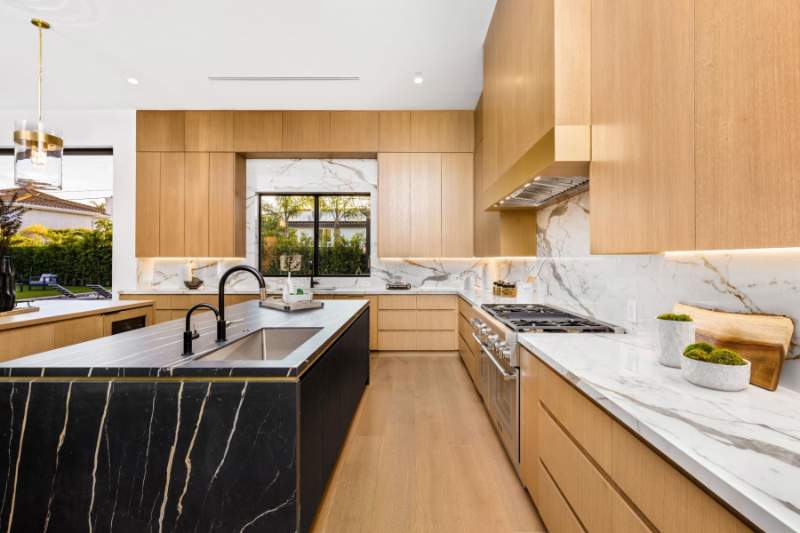
The trend of mixing different countertop materials is becoming increasingly popular, offering a unique way to customize and elevate interior spaces. Homeowners in Toronto are embracing the idea of combining surfaces within the same kitchen or bathroom, which allows for creative freedom and innovation in design. For instance, pairing a sleek engineered quartz island with reclaimed wood perimeter countertops can create a stunning contrast that feels both intentional and warm.
This approach allows for a functional division of areas, where each material serves its purpose while enhancing the overall aesthetic. By mixing different textures and finishes, designers can achieve depth and visual interest in spaces without overwhelming the viewer. It’s not just a trend; it reflects a growing appreciation for personal expression through design while meeting varying functional needs, creating kitchens and bathrooms that are as diverse as the families that inhabit them.
4. Installation and Maintenance: Keeping Your Countertops Pristine
4.1 Professional vs. DIY Installation: What You Need to Know
The installation of countertops is a critical step that can significantly impact both aesthetics and functionality, prompting many homeowners to deliberate between professional assistance and attempting a DIY approach. While it is possible to undertake the installation process independently—especially for lighter materials like laminate or tile—many homeowners opt for professionals when dealing with heavier stones like granite or quartz.
Professionally installed countertops ensure precision, especially when cutting and finessing materials to fit specific kitchen layouts flawlessly. Additionally, professional services often come with warranties and guarantees that can provide peace of mind over time. On the other hand, DIY installations allow for personal hands-on engagement and potential cost savings, appealing to those with a penchant for home improvement. It’s crucial, however, to weigh the pros and cons of expertise, time constraints, and individual comfort levels before proceeding with either choice.
4.2 Daily Care: Tips for Maintaining Your Countertop’s Beauty
Regardless of the type of material chosen, proper care and maintenance are essential to keep countertops looking their best for years to come. Each material has specific cleaning requirements; for example, granite countertops benefit from resealing every 1-2 years to maintain their resistance to stains. Regular cleaning with a mild soap solution and soft cloth is generally sufficient to maintain its beauty.
For engineered quartz, a simple wipe-down with a soft cloth and warm soapy water is ideal, as it does not require sealing. Meanwhile, wooden countertops can benefit from regular oiling to prevent moisture damage. Additionally, being vigilant about spills and avoiding abrasive cleaners is vital to preserving both the aesthetic and integrity of any surface.
4.3 Common Mistakes: What to Avoid When Caring for Your Countertops
While caring for countertops might seem straightforward, several common mistakes can significantly shorten their lifespan and detract from their appearance. One pitfall many homeowners encounter is neglecting to clean spills promptly, especially on porous surfaces like marble and wood. Allowing acidic substances such as vinegar or lemon juice to sit can lead to dulling or etching of the surface.
Additionally, using cutting boards on stone surfaces might be skipped in favor of direct cutting—a practice that can scratch and wear down the surface over time. Furthermore, failing to research the proper cleaning products can lead to discoloration or damage; it is advisable to avoid harsh chemicals and opt for recommended care routines. A commitment to understanding the needs of your specific countertop material will go a long way toward ensuring it remains a beautiful focal point in your home.
FAQ
Question: How do I choose the right countertop material for my kitchen? – Choosing the right countertop material involves considering your lifestyle, aesthetic preferences, and maintenance needs. Analyze factors like durability, ease of cleaning, and the type of cooking you do to find the best fit.
Question: Are there budget-friendly countertop options available? – Yes, there are several budget-friendly options like laminate or composite materials that mimic the look of more expensive surfaces while being cost-effective and durable.
Question: What are the maintenance requirements for different countertop materials? – Maintenance varies by material; for instance, granite requires resealing every 1-2 years, while engineered quartz needs just a wiping down with warm soapy water. Wood requires regular oiling to prevent damage.
Question: Can I mix different countertop materials in my kitchen? – Absolutely! Mixing different countertop materials can create unique visuals and enhance both functionality and aesthetic appeal, allowing for tailored solutions in your kitchen or bathroom.
Question: What should I avoid when taking care of my countertops? – Avoid neglecting spills, using harsh cleaners, and cutting directly on surfaces. Each material has specific care instructions, and improper care can lead to damage and shortened lifespan.
Question: How can I make my countertops eco-friendly? – Opt for sustainable materials like recycled glass, bamboo, or reclaimed wood that not only reduce environmental impact but also offer unique styling options for your home.
Question: Is professional installation necessary for all countertop types? – While professional installation is recommended for heavier materials like granite, lighter materials such as laminate may be manageable for DIY projects. Assess your skill level and the material weight before deciding.
Question: What trends are currently popular for countertops in Toronto? – Popular trends include bold colors and patterns, eco-friendly materials, and the mixing of different surfaces, allowing homeowners to express personality and creativity through their countertop choices.
Useful Resources
- HomeAdvisor – A comprehensive resource for finding home improvement professionals and ideas.
- Houzz – A platform offering design inspiration and a directory of home improvement services.
- Angie’s List – A service that connects homeowners with local service providers and customer reviews.
- Consumer Reports – Provides product reviews and comparisons to help consumers make informed decisions.
- Niche Home Design – Offers advice and articles on modern home design and renovation techniques.
- Environmental Protection Agency (EPA) – Offers resources on sustainable materials and practices for home improvement.
- TreeHugger – Focuses on sustainability in home design and renovation processes.
- Remodeling Institute of America – A source of education and insight about home remodeling trends and best practices.