
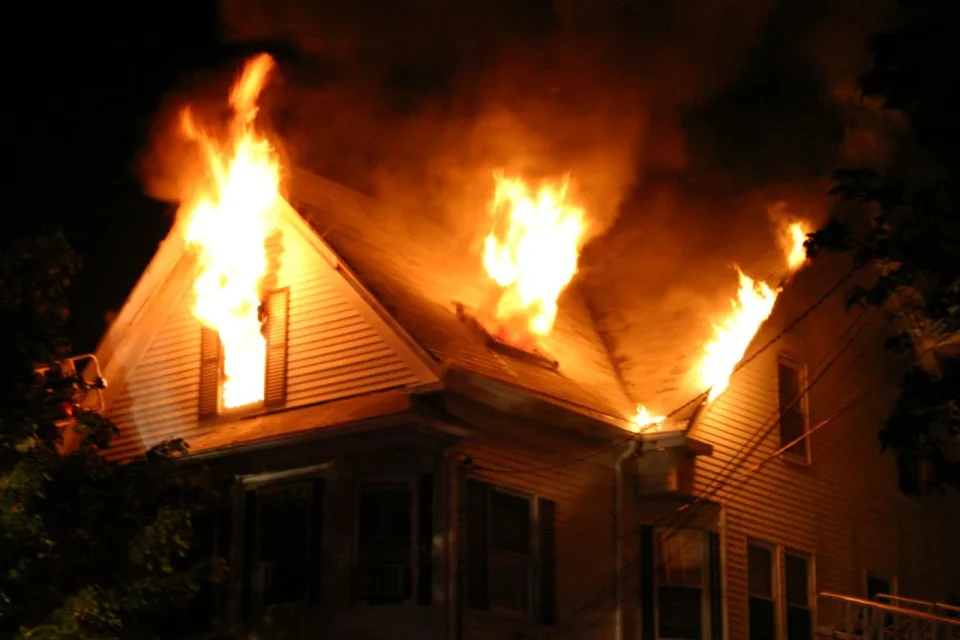
The Science of Fire: Understanding Fire Behavior in Homes
How Fire Spreads: The Path to Prevention
Understanding how fire spreads within a home is pivotal for effective fire prevention strategies. Fire is a chemical reaction that requires three key elements: fuel, oxygen, and heat, often referred to as the “fire triangle.” When any one of these elements is removed, fire cannot sustain itself. In residential settings, common fuels include wood, paper, and other organic materials found in furniture and appliances. It is crucial to recognize the pathways fire can take; for instance, flames can travel quickly through open spaces, igniting combustible materials in their path. Fire spreads faster through materials such as plastics and fabrics, highlighting the need for strategic placement of fire-retardant materials. Preventive measures can include maintaining clear escape routes, removing flammable items from high-risk areas, and practicing fire drills regularly.
Materials Matter: Flammable vs. Non-Flammable Components
Building materials play a significant role in fire resistance and spread. Flammable components like untreated wood, certain types of plastics, and textiles significantly enhance the risk of fire emergencies. In contrast, non-flammable materials such as stone, metal, and certain fire-retardant-treated woods can dramatically reduce the likelihood of fire propagation. Homeowners should prioritize the use of non-combustible building materials in key areas, especially in the construction of attics, basements, and around heating appliances. Comprehensive building codes are designed to restrict the use of flammable materials in key structural areas, but further adherence to guidelines recommending non-combustible siding, roofing, and insulation could make all the difference in outcomes during fire emergencies.
Fire Dynamics: The Role of Oxygen and Heat in Home Fires
Delving deeper into fire dynamics reveals the critical roles of oxygen and heat in the ignition and spread of fire. Residential fires often result from inadequate ventilation, leading to a rapid buildup of heat that exponentially increases the fire’s intensity. Understanding the concentration of oxygen in different home environments can inform homeowners about the fire’s behavior. For instance, closed spaces like closets can quickly become death traps as fires thrive on available oxygen, burning hotter and faster than in open areas. Effective ventilation is essential not only for fire safety but also for minimizing damage during a fire. Homeowners should invest in smoke detectors and kitchen stovetop fire suppression systems that activate in instances of rising heat or the presence of smoke, ultimately providing a critical window for escaping hazards.
Designing a Firesafe Home: Architecture Meets Safety
Smart Building Materials: Innovations for Enhanced Protection
The landscape of construction is rapidly evolving, with an increasing focus on smart building materials that bolster fire safety. Innovations such as impact-resistant windows, fire-resistant glass, and flame-resistant insulation are transforming how homes are built. Architects and builders are beginning to incorporate these advanced materials into their designs to create more resilient structures. Furthermore, newer technologies aim to blend aesthetics and safety, ensuring that homes maintain their visual appeal while achieving higher resistance to fire. Another growing trend is the use of composite materials, which often combine recycled components with flame-retardant additives to create eco-friendly yet fire-resistant options. Homeowners should consult with architects knowledgeable in fire-safe designs to evaluate which modern materials align best with their specific safety needs.
Room by Room: Strategic Design Approaches to Minimize Risk
Designing firesafe homes extends beyond mere material choices; it encompasses the strategic organization of each room within a house. Key areas such as kitchens—where fires are most likely to ignite—should be equipped with fire suppression systems and fire-retardant countertops. Living spaces might integrate open floor plans that not only facilitate collective safety but allow for easy escape pathways. Bedrooms, as sanctuaries for rest, should champion fire-safe exits such as operable windows or designated escape routes. Essential to these designs is the inclusion of firebreaks—areas free of combustibles that help contain and slow the spread of fire. Homeowners should consult fire safety codes and guidelines to inform their decisions about room layouts and materials to cultivate a genuinely secure environment.
Landscaping for Safety: The Role of Nature in Fire Prevention
Landscaping serves as a significant factor in fire prevention, playing a dual role in enhancing a home’s aesthetic and safety. The placement and types of vegetation around a property can either contribute to or mitigate fire risks. Homeowners should aim to establish defensible spaces by employing fire-resistant landscaping techniques, such as implementing drought-resistant plants, effective irrigation systems, and maintaining ample spacing between trees and structures. By selecting plants with lower oil content, the risk of fire spreading to the home can be minimized. Additionally, creating hardscape features such as gravel areas or stone paths can break up vegetation and create barriers to fire spread. By adhering to these strategies, homeowners can harness the dual benefits of gorgeous landscapes that also serve as protective measures against wildfire threats.
Fire Safety Protocols: Essential Tools and Techniques
Top Tech: Smart Home Devices that Enhance Fire Safety
The integration of technology in fire safety has paved the way for innovative smart home devices that offer unprecedented levels of prevention and response. Smart smoke detectors, which can send alerts to residents’ smartphones or trigger alarms automatically, break away from traditional systems that solely rely on audible alarms. Similarly, home automation systems can shut off gas lines and turn on ventilation systems in the event of smoke detection, slowing the potential spread of fire. Furthermore, smart sprinkler systems specifically designed for fire protection can be programmed to respond to heat indicators, activating before flames escalate. Homeowners should prioritize such technology as an essential part of their fire safety protocols, ensuring that their abode remains a sanctuary, even during emergencies.
Emergency Planning: Creating and Practicing Your Escape Plan
Comprehensive emergency planning is paramount in the event of a fire, necessitating the establishment of a clear and practiced escape plan. Homeowners should create detailed escape routes for all rooms and ensure that every member of the household is well-aware of these pathways. It can be equally important to ensure that these routes can remain unobstructed and that any built in safety equipment can be easily reachable. For those living in multi story buildings, familiarizing yourself with the location and accessibility of dry riser cupboards can be life saving for responding fire crews. Ensuring these compartments can be properly maintained and kept clear of clutter can allow firefighters to connect hoses to the internal water supply quickly. Regularly practicing escape drills helps to fortify confidence among residents and ensures they can react swiftly under pressure. The plan should identify meeting points outside the home and account for potential obstacles such as locked doors or ladder access from upper floors. Utilizing these drills to educate children about fire safety reinforces critical lessons early on, promoting lifelong awareness of safety measures. Each family should also be encouraged to update their escape plans regularly in accordance with any changes in their home structure or composition, ensuring effectiveness in any emergency scenario.
The Importance of Fire Alarms and Detection Systems
Fire alarms and detection systems are cornerstone components of any home’s fire safety plan. They serve as early warning systems that can significantly reduce the risk of injury and potential loss of life. The National Fire Protection Association recommends installing smoke alarms on every level of a home, particularly inside and outside sleeping areas. There are various types of alarms available, including ionization and photoelectric alarms, each with unique functions that can detect distinct fire characteristics. Consumers should regularly test their alarms to ensure they are in working order, and replace batteries annually. Additionally, interconnected alarms can provide cascading alerts throughout the home, amplifying responsiveness. This simple yet vital investment in safety is essential to ensuring residents are adequately protected and informed during emergencies.
Community Connections: Joining Forces for Fire Safety
Neighborhood Watch: Building a Community Focused on Fire Prevention
Engaging the community in fire safety initiatives fosters an environment of collective vigilance and preparedness. Neighborhood watch programs can extend their scope beyond crime prevention by incorporating fire safety strategies. Residents can work collaboratively to identify high-risk areas within their neighborhoods, sharing actionable insights on potential fire hazards. Coordinated community efforts that educate members about fire behavior, warning signs, and prevention techniques foster a sense of camaraderie and shared purpose. Moreover, hosting community events centered on fire safety and prevention not only boosts awareness but also strengthens relationships among neighbors. When individuals collaborate towards the common goal of fire prevention, they create a more resilient community capable of facing emergencies together.
Local Resources: Utilizing Fire Departments and Safety Programs
Local fire departments represent an invaluable resource for homeowners aiming to enhance fire safety. Many fire departments offer free consultations to evaluate residential fire risks, as well as educational workshops that empower community members to take proactive measures against fires. Additionally, fire departments often conduct safety demonstrations and provide promotional materials tailored toward fire prevention strategies. Homeowners should be proactive in reaching out to their local fire services to establish connections and take advantage of these beneficial programs. By utilizing these resources, residents can expand their knowledge base and implement effective fire safety measures customized to their neighborhoods’ unique challenges.
Advocacy and Education: Raising Awareness in Your Community
Advocating for fire safety within the community is a vital step in cultivating awareness to minimize fire risks. Homeowners can collaborate with local fire departments and educational institutions to promote safety curricula that incorporate fire prevention strategies into school programs and community organizations. Hosting informational sessions featuring fire safety experts can also encourage open discussions among residents regarding best practices and new technology in fire prevention. Additionally, leveraging social media platforms to disseminate information and share success stories can foster an engaged online community advocating for safety. When individuals create a culture of education and support around fire safety, they not only empower themselves but inspire others to contribute to the cause, transforming knowledge into practice.
FAQ
Question: What are the key benefits of fire-resistant landscaping? – Fire-resistant landscaping not only enhances the aesthetic appeal of your property but also creates a defensible space that reduces the risk of fire spreading to your home by utilizing drought-resistant plants and implementing effective irrigation techniques.
Question: How often should fire alarms be tested for optimal performance? – It is recommended to test fire alarms monthly to ensure they are functioning correctly. Additionally, replace the batteries at least once a year and consider a complete alarm replacement every ten years.
Question: What should be included in a home escape plan? – A comprehensive escape plan should highlight clear exit routes from every room, identify meeting points outside the home, account for potential obstacles, and be practiced regularly with all household members to ensure familiarity in an emergency.
Question: How can smart home devices further enhance fire safety? – Smart home devices like connected smoke detectors and automated sprinkler systems can provide alerts directly to smartphones, shut off gas lines, and activate ventilation to mitigate fire hazards, enhancing overall safety and response times during emergencies.
Question: Why is adequate ventilation important for fire safety? – Adequate ventilation ensures that trapped heat and smoke do not accumulate in closed spaces, which can exponentially increase fire intensity and risk, making it crucial for overall safety in residential areas.
Question: What are some common fire hazards often overlooked by homeowners? – Commonly overlooked fire hazards include improperly stored flammable materials, clutter near heating sources, outdated electrical systems, and neglected aging appliances, all of which can significantly elevate fire risks.
Question: How can community engagement impact fire safety efforts? – Community engagement fosters collective awareness and proactive measures, enabling residents to share insights on fire prevention, participate in coordinated safety initiatives, and support each other in creating a resilient environment for all.
Question: What role do local fire departments play in fire safety education? – Local fire departments provide critical resources such as free risk evaluations, educational workshops, safety demonstrations, and promotional materials that empower residents to implement effective fire safety measures in their homes and communities.
Useful Resources
- National Fire Protection Association (NFPA)
- S. Fire Administration
- American Red Cross
- Federal Emergency Management Agency (FEMA)
- Infrastructure Health and Safety Association
- Centers for Disease Control and Prevention (CDC)
- American Institute of Architects
- Fire Safety for Kids – Fire Prevention Education