
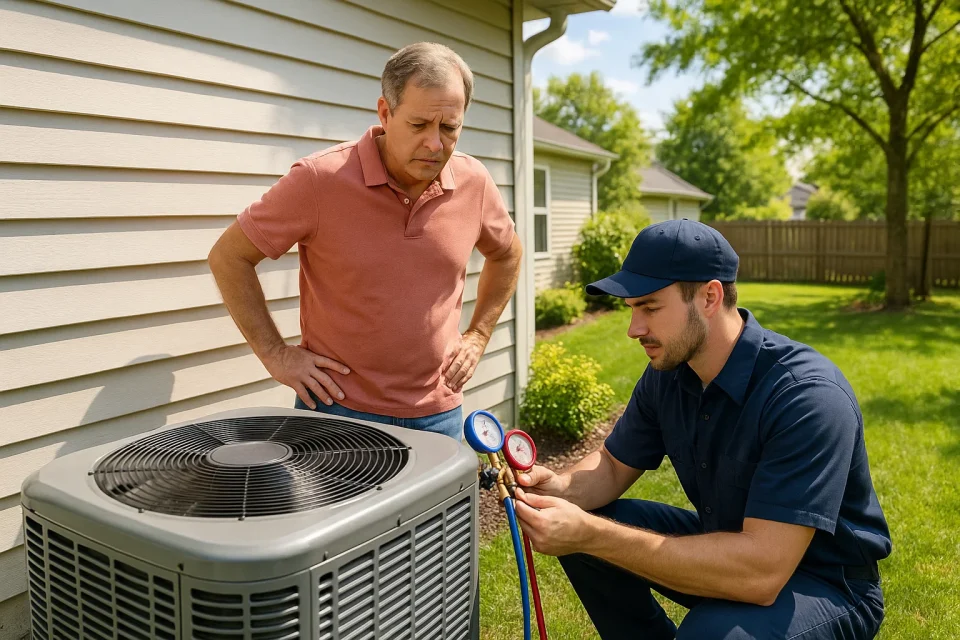
Summer heat places enormous pressure on residential cooling systems, and even minor air conditioning problems can quickly develop into major repair issues if ignored. From weak airflow and rising energy bills to frozen coils and unusual noises, these warning signs often indicate deeper problems affecting system efficiency and indoor comfort.
Homeowners who delay repairs frequently face higher utility costs, poor cooling performance, and unexpected breakdowns during peak temperatures. Understanding the most common summer air conditioning issues can help prevent long-term damage and improve overall HVAC performance. Trusted AC repair experts regularly advise homeowners to act early when cooling problems appear, as prompt maintenance and repairs can extend system lifespan, improve energy efficiency, and maintain reliable comfort throughout the hottest months of the year.
Weak Airflow Throughout the Home
One of the most common cooling problems during summer is weak airflow coming from the vents. Even if the air feels cool, poor airflow prevents rooms from reaching a comfortable temperature. This issue may be caused by clogged air filters, blocked ductwork, failing blower motors, or problems within the ventilation system.
Ignoring weak airflow forces the air conditioner to work harder for longer periods. Over time, this increases wear on essential components and raises energy consumption. If certain rooms remain warmer than others, it is usually a sign that the problem needs professional attention rather than a simple thermostat adjustment.
Warm Air Coming from the Vents
An air conditioner should consistently produce cool air. If warm or room-temperature air begins coming from the vents, there may be a serious issue affecting system performance.
Several factors can cause this problem, including:
- Low refrigerant levels
- Compressor malfunction
- Dirty evaporator coils
- Thermostat problems
- Electrical faults within the system
Many homeowners continue running the unit despite these warning signs, hoping the issue will resolve itself. Unfortunately, this often leads to additional strain on the system and more expensive repairs later. Addressing warm airflow early can prevent complete cooling failure during peak summer temperatures.
Unusual Noises Should Never Be Dismissed
Air conditioning systems naturally produce some operational sound, but loud or unusual noises are rarely normal. Grinding, rattling, banging, squealing, or buzzing noises often indicate internal mechanical problems.
For example, rattling may suggest loose parts, while squealing can point to worn belts or motor issues. Electrical buzzing may indicate wiring problems that require immediate inspection. Ignoring these sounds can allow minor issues to develop into significant mechanical damage.
If unusual noises appear suddenly or become more frequent, it is best to stop delaying repairs. Small component failures are usually easier and less expensive to fix before they affect the rest of the system.
Rising Energy Bills Without Explanation
A sudden increase in energy costs during summer often signals that the cooling system is no longer operating efficiently. While higher temperatures naturally increase usage, extreme spikes in electricity bills should not be ignored.
Older systems, dirty filters, refrigerant leaks, and worn components can all force an air conditioner to consume more energy while producing less cooling power. In many cases, homeowners do not realize there is a problem until they notice the monthly utility bill.
Routine maintenance and inspections can help identify efficiency problems early and restore proper system performance before costs continue climbing.
Moisture or Leaks Around the Unit
Water pooling near an indoor unit is another issue that should never be overlooked. Although some condensation is normal, visible leaks can indicate blocked drain lines, frozen evaporator coils, or refrigerant problems.
Refrigerant leaks are particularly concerning because they may affect both system efficiency and indoor air quality. Excess moisture can also encourage Mold growth around the system and inside the home.
Common warning signs include:
- Damp areas near the unit
- Musty odours
- Ice forming on coils
- Visible refrigerant lines are leaking
- Water stains near vents or ceilings
Prompt attention helps prevent structural damage and keeps indoor conditions healthier during summer.
Frequent System Cycling
Air conditioners naturally cycle on and off to maintain the desired temperature. However, if the system constantly turns on and off in short intervals, this may indicate a larger issue known as short cycling.
Short cycling can be caused by an oversized system, thermostat problems, refrigerant issues, or restricted airflow. This behaviour places unnecessary strain on the compressor and reduces overall efficiency.
A constantly cycling system also struggles to maintain stable indoor temperatures, leaving the home feeling uncomfortable despite continuous operation. Ignoring this issue can shorten the lifespan of the air conditioning unit considerably.
Unpleasant Odours Indoors
Strange smells coming from the vents should never be considered normal. Musty odours may indicate Mold growth within the ducts or cooling system, while burning smells can signal overheating electrical components.
Persistent odours often become more noticeable during summer because the system operates more frequently. In some cases, bacteria and moisture inside the unit create unhealthy indoor air conditions that affect overall comfort.
If unpleasant smells continue after replacing filters or cleaning vents, professional inspection is usually necessary to locate the source of the problem safely.
Frozen Components During Hot Weather
Many homeowners are surprised to discover ice forming on an air conditioner during extreme summer heat. Frozen evaporator coils are usually a sign of restricted airflow or refrigerant issues.
Common causes include dirty air filters, blocked ducts, low refrigerant, or malfunctioning fans. Running the system while components remain frozen can damage the compressor and reduce cooling capacity significantly.
Signs of frozen components may include:
- Reduced cooling performance
- Ice on refrigerant lines
- Water leakage after thawing
- Continuous system operation
- Higher indoor humidity levels
Turning the system off temporarily may help the ice melt, but the underlying cause still requires professional diagnosis.
Why Early Repairs Matter
Many cooling problems begin gradually and seem harmless at first. However, delaying repairs usually increases both the complexity and cost of the issue. A system forced to operate under strain experiences greater wear on essential components, leading to reduced efficiency and unexpected breakdowns.
Early maintenance and timely repairs also improve indoor comfort, lower energy consumption, and help extend the life of the air conditioning system. During summer, when HVAC companies experience high service demand, acting early can also help homeowners avoid emergency repair situations during heatwaves.
Conclusion
Summer cooling problems rarely disappear on their own. Weak airflow, unusual noises, leaks, warm air, and rising energy bills are all warning signs that your air conditioning system may need immediate attention. Ignoring these issues can lead to reduced comfort, costly repairs, and major system failures at the worst possible time.
By recognising these warning signs early and scheduling professional inspections when needed, homeowners can keep their cooling systems running efficiently throughout the hottest months of the year. A well-maintained air conditioner not only provides reliable comfort but also helps reduce long-term repair costs and improves overall energy performance in the home.