
Key Takeaways:
- Neodymium magnets, a type of rare-earth magnet, combine neodymium, iron, and boron for exceptional magnetic strength.
- The alignment of magnetic domains in neodymium magnets results in high coercivity, preventing demagnetization over time.
- Neodymium was discovered in the 19th century but became commercially viable in the 1980s through advancements in alloying techniques.
- Grading of neodymium magnets ranges from N35 to N52, with higher grades indicating stronger magnets.
- Applications of neodymium magnets include electronics, automotive, aerospace, and medical technology, highlighting their versatility.
- Innovative uses extend beyond traditional applications, including roles in electric vehicles, renewable energy, and consumer electronics.
- DIY projects with neodymium magnets can enhance organization and demonstrate principles of magnetism, such as in magnetic levitation experiments.
- Safety considerations are crucial; neodymium magnets can cause injuries if mishandled and are brittle, risking shattering.
- Proper storage and handling techniques are essential to prevent accidents and preserve magnet integrity.
- Future trends include environmentally sustainable production methods and the integration of smart technology with neodymium magnets.
- Neodymium magnets play a vital role in sustainable energy applications, especially in wind turbines and electric vehicles.
Understanding Neodymium Magnets: The Sci-Fi of the Magnetic World
The Chemistry Behind Neodymium: Why It’s So Magnetic
Neodymium magnets, classified as rare-earth magnets, owe their exceptional magnetic properties to the elements used in their formulation. These powerful magnets combine neodymium (Nd) with iron (Fe) and boron (B) to create a compound with remarkable magnetic strength. The atomic structure of neodymium itself plays a pivotal role; it possesses unpaired electrons in its f-orbitals which contribute significantly to its high magnetic permeability. This quality not only enhances the alignment of magnetic dipoles within the magnet but also amplifies the magnet’s overall magnetic field.
When assembled into a magnet, the individual magnetic domains within the neodymium-iron-boron (NdFeB) matrix align in a uniform direction, resulting in what’s termed high coercivity. This aspect makes neodymium magnets capable of resisting demagnetization, enabling them to maintain their magnetic strength over time. The synergy of neodymium’s unique properties with iron and boron ensures that these magnets achieve the highest magnetic energy density available, paving the way for numerous applications where size constraints are critical. Indeed, it is the intricacies of the chemistry that make neodymium magnets a mainstay in modern technology.
History of Neodymium Magnets: From Discovery to Industry Marvel
The journey of neodymium from a rare earth element to a staple in various industries is both fascinating and multifaceted. Discovered in the 19th century, neodymium was first isolated from a mineral called monazite by the chemist Carl Auer von Welsbach in 1885. However, it wasn’t until the 1980s that the strong neodymium magnets took shape, catalyzed by the advancements in alloying techniques and metallurgy. The breakthrough came from a collaboration between General Motors and Sumitomo Special Metals, which successfully created the first neodymium magnets by forming a specific ratio of neodymium, iron, and boron.
These new magnets provided a solution to the limitations of traditional ferrite magnets, which were bulkier and less powerful. The introduction of neodymium magnets into industries such as electronics, automotive, and aerospace marked a revolutionary epoch. Their deployment was rapid; applications ranged from tiny headphones to massive wind turbines, crystalizing neodymium’s status as a transformative material. The historical trajectory of neodymium magnets illustrates not just a scientific advancement but a fundamental shift in our manufacturing and technological capabilities.
Types of Neodymium Magnets: Grades, Shapes, and Applications
Neodymium magnets are produced in a variety of grades, shapes, and sizes, each tailored to specific applications and requirements. The grading system typically ranges from N35 to N52, where the number indicates the maximum energy product, measured in Mega-Gauss Oersteds (MGOe). Higher grades correspond to stronger magnets, with N52 being the most potent available commercially. Understanding these grades is essential for selecting the appropriate magnet for applications requiring specific strengths.
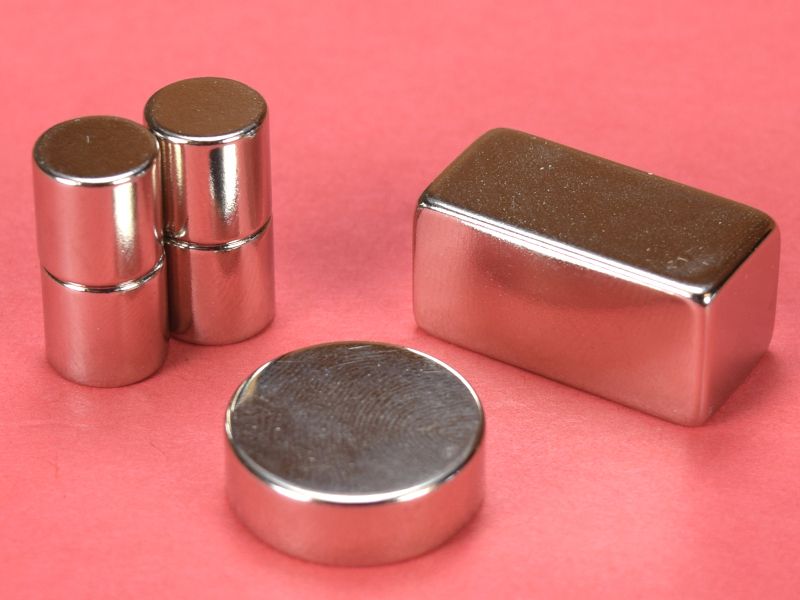
Shapes also vary widely, including discs, blocks, rings, and spheres, allowing for versatility in design and application. For instance, cylindrical neodymium magnets are commonly used in motors, while disc-shaped types are prevalent in various electronic devices due to their compact structure. The applications of neodymium magnets extend across multiple sectors; in the medical field, they are utilized in magnetic resonance imaging (MRI), while in the renewable energy sector, their application in wind turbine generators significantly increases efficiency. Such diversity illustrates that the true strength of neodymium magnets lies not just in their magnetic force but also in their adaptability across myriad domains.
Unleashing Creative Uses for Strong Neodymium Magnets
Innovative Applications: Beyond the Fridge – Where Else Can You Use Them?
While many may first think of neodymium magnets as refrigerator magnets, their uses extend far beyond this commonplace application. Industries have started to creatively integrate these powerful magnets into innovative solutions. For example, in the automotive industry, strong neodymium magnets are found in electric motors and sensors, enhancing efficiency and power output. They are an integral part of electric vehicles, helping to reduce weight and increase performance.
In consumer electronics, neodymium magnets function in wireless charging devices, enhancing the charging process while minimizing physical space requirements. Moreover, in robotics, they are pivotal in creating smaller, more efficient actuators and sensors, enabling more precise movements and actions. The jewelry industry has also embraced these magnets, using them in clasps and closures, which provide not only practicality but also aesthetic appeal. The versatility and strength of neodymium magnets mean they can be exploited in countless creative ways, transforming various industries and fostering innovation.
DIY Projects That Harness Magnetic Power: Get Your Hands Dirty
For the hobbyist or DIY enthusiast, neodymium magnets offer a world of creative potential. They can be used in simple yet effective projects, such as building magnetic tool holders, enabling easy access and organization in workshops. A classic project involves using neodymium magnets in reversible magnetic picture frames, allowing you to easily change displayed photos without fuss.
Furthermore, magnetic levitation experiments can provide an engaging way to teach children about the principles of magnetism. Simple setups can use a powerful neodymium magnet in conjunction with a repelling base magnet to achieve levitation, demonstrating fundamental physics concepts in a fun and interactive manner. From building home decor to engaging scientific explorations, the possibilities are limited only by imagination. Each project becomes a testament to the fascinating and practical application of these remarkable magnets in everyday life.
Industry Applications: Manufacturing, Robotics, and Beyond
Neodymium magnets are not confined to just a few industries; their applications span manufacturing, robotics, aerospace, medical technology, and renewable energy, highlighting their integral role in modern technology. In manufacturing, they play a crucial role in assembly lines, acting as efficient gripping tools for material handling systems. Automated systems utilize these magnets for better precision, enabling enhanced productivity and safety.
In robotics, neodymium magnets are vital in powering servo motors, improving control and speed in robotic arms and drones. The compact yet powerful nature of neodymium allows engineers to create smaller, faster, and more dynamic robots that can perform tasks across various environments. In aerospace, these magnets are used in the design of lightweight yet powerful actuators that control flight surfaces and landing gear, enhancing the performance and fuel efficiency of aircraft.
The medical field has not been left behind; neodymium magnets are crucial in MRI machines, enhancing imaging capabilities and delivering clearer diagnostic information. They also find applications in drug delivery systems where magnetic nanoparticles can be targeted to specific locations in the body, providing precision medicine in the treatment of diseases. With the diverse and expanding applications of neodymium magnets in various industries, their role as a cornerstone in modern technology continues to grow.
Safety First: Handling Neodymium Magnets Responsibly
Understanding the Risks: Strong but Dangerous?
Despite their myriad benefits and exceptional power, neodymium magnets do come with safety considerations that must be taken seriously. Their strength is both a virtue and a risk, particularly as they can snap together with great force when in close proximity, potentially causing injuries such as pinching or crushing fingers. The risk is amplified when larger magnets are involved, as they can cause serious harm if mishandled.
Notably, these magnets are also brittle, making them prone to chipping or shattering if subjected to excessive force. Broken fragments can become projectiles, posing additional hazards. In environments where children are present, there is an increased risk due to the potential for small magnets to be ingested, which can lead to severe internal injuries. Therefore, understanding how to work with these powerful tools is essential for maintaining safety during use.
How to Store and Handle Neodymium Magnets Without Incident
Safe storage and handling practices are paramount when working with neodymium magnets. Storing them in a designated container or magnetic organizer can mitigate the risks associated with accidental attraction to metal surfaces or other magnets. It’s advisable to use non-magnetic materials for storage to prevent unwanted interactions and potential injuries. When handling, it is often wise to use gloves and protective eyewear, especially when working with higher grades of neodymium magnets or in industrial settings.
To safely separate magnets that have snapped together, it’s best to slide them apart rather than pulling them directly apart. This technique reduces the likelihood of injury and protects the integrity of the magnets. It’s essential to educate all potential users about the handling procedures, ensuring everyone understands the risks involved. Following these practices fosters a safe environment for harnessing the power of these extraordinary magnets.
What to Avoid: Common Mistakes in Working with Neodymium Magnets
While the versatility of neodymium magnets presents vast opportunities, there are common pitfalls that should be avoided to ensure safe and effective use. One major mistake is ignoring the strength of the magnet; underestimating how powerful these magnets are can lead to accidents. For example, attempting to hold multiple magnets in proximity without adequate precautions can result in injuries or damaged property.
Another common error is exposing neodymium magnets to extreme temperatures. High heat can cause the magnets to lose their magnetic properties, particularly if they exceed their curie temperature, which varies based on their specific grade. Additionally, retaining proper ventilation when using magnets around certain chemicals or corrosive materials is crucial, as neodymium can oxidize and corrode if not well-protected.
Moreover, discarding protective coatings or using unsuited mounting techniques can compromise the effectiveness of the magnets in their applications. When these precautions are ignored, the work may not only be unsafe, but the efficiency of the magnets may also diminish over time. Cultivating awareness and avoiding these mistakes ensures that users harness the full potential of neodymium magnets safely and responsibly.
Future Trends: What’s Next for Neodymium Magnet Technology?
Advancements in Magnet Production: The Environmental Impact
As we advance into the future, the production of neodymium magnets is undergoing substantial transformations aimed at reducing its environmental footprint. Historically, mining operations for rare earth elements have raised concerns about ecological damage and community health risks. However, technological innovations are streamlining production processes and focusing on recycling efforts.
Companies are increasingly utilizing hydrometallurgical methods to extract neodymium from electronic waste, effectively closing the loop in the supply chain and reducing the need for virgin mining. Moreover, advancements in material science may lead to more sustainable alloys that minimize reliance on rare earth elements while maintaining robust magnetic properties. Such initiatives not only foster environmental stewardship but also drive economic growth as the demand for green technologies continues to rise. The future of neodymium magnet production is poised to align with sustainable practices, ensuring a responsible approach to meeting global magnet needs.
Smart Magnets: The Integration of Technology and Magnetism
The integration of neodymium magnets into smart technologies represents a fascinating frontier in their evolution. Research is underway to develop “smart magnets” that can adjust their magnetic field in real-time based on external stimuli or demands. These technologies have the potential to revolutionize numerous applications, including energy storage, where magnets could optimize performance based on usage patterns.
Furthermore, as the Internet of Things (IoT) expands, neodymium magnets could play pivotal roles in smart appliances and devices, creating seamless user experiences. Imagine refrigerators that use magnetic sensors to manage storage conditions intelligently, or wearable technology leveraging magnetic fields for improved health monitoring. The symbiosis of neodymium magnets with cybersecurity and smart technology is an emerging field that may lead to robust, innovative solutions that reshape how we interact with our environments.
The Role of Neodymium in Sustainable Energy Solutions
Neodymium magnets are integral to sustainable energy solutions, particularly in the context of renewable energy systems such as wind turbines and electric vehicles. Wind energy generation relies heavily on neodymium magnets for efficient power generation, where their high magnetic energy density allows for more compact generator designs, reducing the overall material footprint. As the shift towards green energy accelerates, the demand for such magnets will continue to grow in tandem with the installation of wind farms and other renewable sources.
In the electric vehicle sector, neodymium magnets contribute significantly to the functionality of motors, improving performance and reducing energy consumption. Looking forward, the development of neodymium-based technologies in energy storage systems may lead to innovative solutions such as faster-charging batteries that are lighter and more efficient. This interrelatedness between neodymium magnets and sustainable energy showcases their vital role in addressing global energy challenges while minimizing environmental impacts, positioning this material as a keystone of a sustainable future.
FAQ
Question: Can neodymium magnets lose their magnetism over time? – Yes, while neodymium magnets are designed to be highly resistant to demagnetization, they can still lose their magnetism if exposed to extreme temperatures, physical damage, or improper handling.
Question: How should neodymium magnets be stored? – Neodymium magnets should be stored in a non-magnetic container or an organizer designed for magnetic storage to avoid accidental attraction and potential injuries.
Question: Are there any risks of using neodymium magnets with electronic devices? – Yes, strong neodymium magnets can interfere with electronic devices, potentially damaging hard drives, credit cards, and other magnetic storage systems. It is essential to keep these magnets away from such devices.
Question: What safety gear is recommended when handling neodymium magnets? – It is advisable to wear gloves and protective eyewear when handling neodymium magnets, especially larger ones, to prevent injuries from snapping together or breaking.
Question: Can neodymium magnets be used in food applications? – Neodymium magnets are not recommended for direct use in food applications due to the risk of contamination from rust or coatings. However, they can be safely used in food processing equipment if properly encapsulated.
Question: What happens if a neodymium magnet shatters? – If a neodymium magnet shatters, it can produce small, sharp fragments that can become projectiles, posing safety risks. It is essential to handle broken magnets with care and clean up promptly.
Question: Are there environmentally friendly alternatives to neodymium magnets? – While neodymium magnets are one of the strongest types available, ongoing research is focusing on developing more sustainable materials and alloys to reduce reliance on rare earth elements.
Question: Can neodymium magnets be recycled? – Yes, neodymium magnets can often be recycled through specialized processes that recover rare earth elements from electronic waste, promoting sustainability in magnet production and usage.
Useful Resources
- NASA – National Aeronautics and Space Administration
- ScienceDirect – Scientific Journals and Research Articles
- APS – American Physical Society
- Materials Today – Insights on Materials Science
- EDA – U.S. Economic Development Administration
- IISE – Institute of Industrial and Systems Engineers
- Magnetics Magazine – Industry News and Insights
- SAE International – Automotive and Aerospace Standards